If you run commercial vehicles in Nigeria, a speed limiter is not a nice-to-have. It is the law.
Skip it and your vehicle can be flagged at inspection and your operation held up.
But the law is only half the reason to fit one. The other half is what it saves you.
Here is who needs one, what it does, and how to stay compliant.
What the law actually says
The rule is clear for commercial road users.
The FRSC requires speed limiting devices on commercial vehicles, which covers trucks, buses and fleet vehicles.
Private cars are not required to have one, though some owners fit them anyway, for younger drivers or simple peace of mind.
If your vehicle carries goods or passengers for business, assume you need a speed limiter.
What a speed limiter does
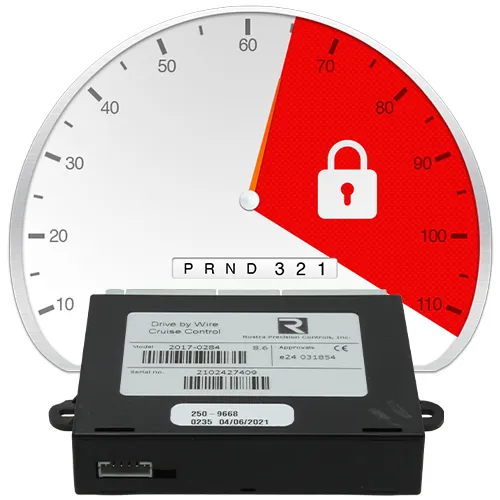
A speed limiter caps the vehicle's top speed at a set figure.
No matter how hard the driver presses the accelerator, the engine will not push past the limit. It removes the option of dangerous speeding rather than just warning against it.
That is the difference between a sign that asks a driver to slow down and a device that makes them.
A speed limit is a request. A speed limiter is the answer.
Stay compliant and keep your fleet safe
Tell us your vehicles and we will fit FRSC-compliant speed limiters, certified and documented, so you pass inspection and cut the speeding.
Get speed limiters fittedWhy it matters beyond the law
Even where it was not required, a speed limiter would earn its place.
Speed is the single biggest factor in fatal crashes, which both the FRSC and the World Health Organization put at the top of their road-death causes.
Capping it protects the driver, the cargo and everyone else on the road.
It also cuts fuel and wear, because the hardest driving is the most expensive driving.
For fleets, it pairs with tracking
On a fleet, the limiter is one layer of control.
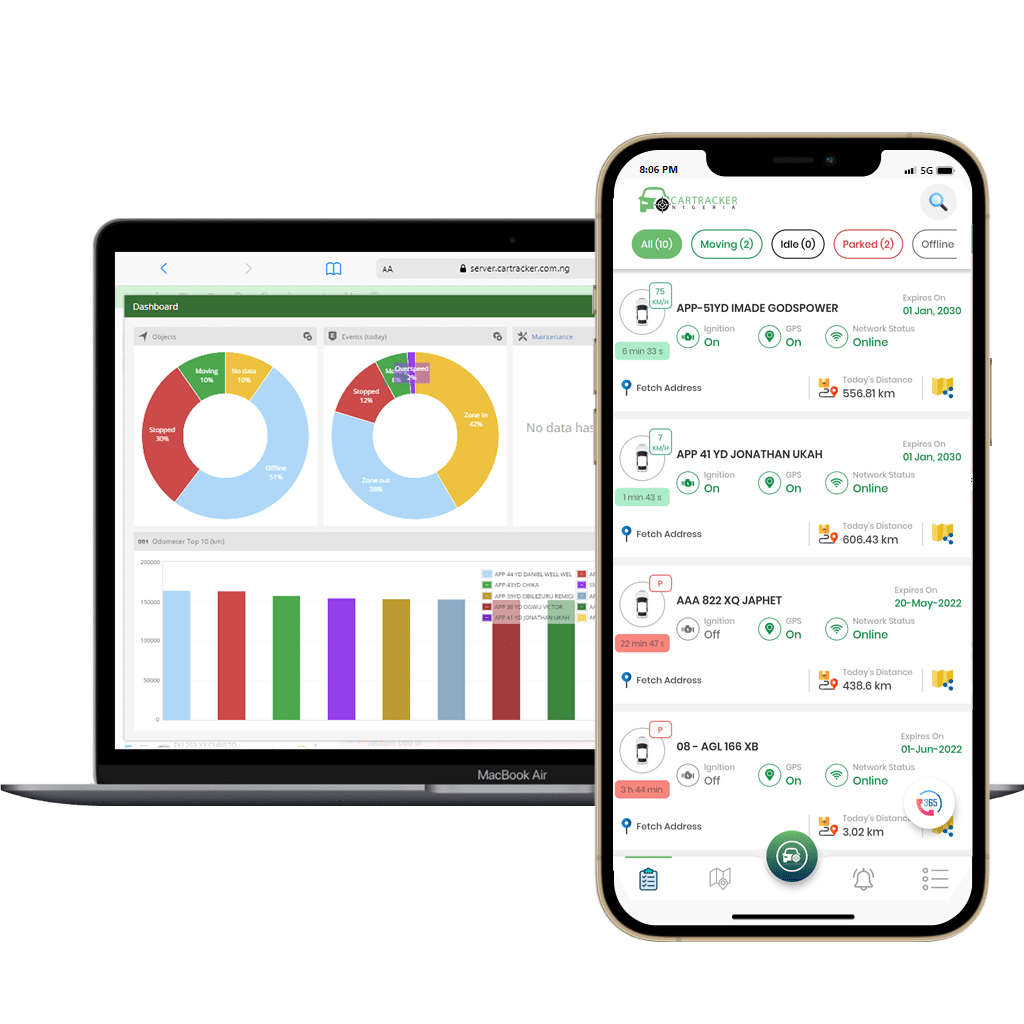
It caps the speed, and driver behaviour monitoring scores the harsh braking and acceleration around it, so you see the risky drivers as well as stop the worst of the speeding.
Run together on your fleet management dashboard, they cut accidents and the bills that follow.
For haulage, the limiter is standard on truck tracking setups.
Getting a compliant unit fitted
Compliance is in the detail of the fitting.
The device must meet the FRSC standard, be set to the correct limit for the vehicle, and come with the documentation that proves it.
A proper installer makes sure the unit is compliant and certified, so the vehicle passes inspection rather than failing it on a technicality.
On cost, fitting runs around ₦100,000 per vehicle, covering the FRSC-approved device, installation, calibration, the certificate and a one-year warranty. After the first year an annual renewal of about ₦40,000 per vehicle covers a fresh certificate and recalibration. The full breakdown is in our speed limiter price guide.
Tell us your vehicles and we will fit and certify the right limiter for the fleet.


Frequently asked questions
Who needs a speed limiter in Nigeria?
The FRSC requires speed limiting devices on commercial vehicles, including trucks, buses and fleet vehicles. Private cars are not required to have one, though some owners fit them voluntarily.
What does a speed limiter do?
It caps the vehicle's top speed at a set limit, so the engine will not let the driver push beyond it no matter how hard the accelerator is pressed. It removes the option of dangerous speeding.
Does it save fuel?
Yes. By capping top speed and curbing the hardest acceleration, it reduces fuel use and wear on the engine, brakes and tyres. For a fleet, those savings add up alongside safety and compliance.
How do I get a compliant one fitted?
Fit a device that meets the FRSC standard through a proper installer, set to the correct limit, with documentation. A reputable installer ensures the unit is compliant and certified so the vehicle passes inspection.

The editorial team at Car Tracker Nigeria, drawing on two decades of vehicle tracking, recovery and fleet work across Nigeria to publish practical security guides.
Related guides.



The full Speed Limiter cluster.