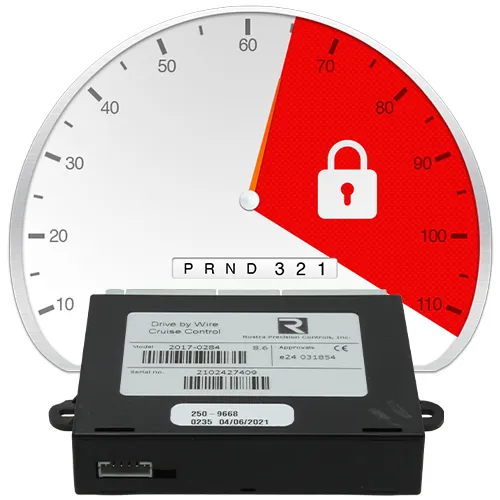
Fitting a speed limiter is the easy part. Getting the certificate that makes it count is where it matters.
Here is how a proper installation works, why it must be an FRSC-approved vendor, and how the certificate reaches you.
Only an approved vendor can fit it
This is the rule that catches people out.
A speed limiter only counts when it is fitted by a vendor accredited by the FRSC, alongside SON and NADDC, through their trained agents.
A unit bolted on by anyone else has no valid certificate, which means it does not protect you at a checkpoint no matter how well it works.
We are an FRSC-approved installer, so the certificate is part of the job.
How the installation works
The fit itself is quick and methodical.
The device is wired into the engine management and the vehicle's speed sensors.
It is then calibrated to the speed limit for your vehicle's category under FRSC rules, sealed against tampering, and tested so the vehicle simply cannot push past the set speed.
The mechanics of how it does that are in our how a speed limiter works guide.
The seal and the certificate are what separate a legal install from a unit a checkpoint will reject.
How the FRSC certificate is issued
The certificate is what you are really buying.
Once the device is fitted and tested, the approved installer forwards your vehicle data to the FRSC, which issues the installation certificate.
That document is your proof of compliance, so keep it with your vehicle papers.
No certificate means no proof, even if the limiter is working.
What you need, and how long
It is a simple visit.
Bring the vehicle and its papers, and the install is usually done in one sitting per vehicle, with the certificate following once the installer submits the data.
For a fleet, you book the vehicles in and they are certified together.
Fitting is around ₦100,000 per vehicle, which covers the device, installation, calibration, the FRSC certificate and a one-year warranty, with an annual renewal of about ₦40,000 for a fresh certificate and recalibration. The full breakdown is in our speed limiter price guide.
Book an approved installation
We fit, calibrate, seal and certify your speed limiter as an FRSC-approved vendor. Tell us your vehicles.
See our speed limiter serviceDo it through people who certify
The whole point of a speed limiter is the paperwork behind it.
Fit it through an approved installer who handles the device, the calibration and the certificate in one go, and you are compliant and on the road.
The full legal picture is in our speed limiter law guide.


Frequently asked questions
Who can install a speed limiter in Nigeria?
Only FRSC-approved vendors, certified alongside SON and NADDC, through their trained and accredited agents. Only their fitting comes with a valid certificate.
How does speed limiter installation work?
The device is wired to the engine management and speed sensors, calibrated to your vehicle's category speed limit, sealed against tampering, and tested so the vehicle cannot exceed the set speed.
How do I get the FRSC speed limiter certificate?
After fitting, the approved installer forwards your vehicle data to the FRSC, which issues the installation certificate that proves your vehicle complies.
How long does speed limiter installation take?
Usually a single visit per vehicle. Bring the vehicle and its papers, and the certificate follows once the installer submits the data.

The editorial team at Car Tracker Nigeria, drawing on two decades of vehicle tracking, recovery and fleet work across Nigeria to publish practical security guides.
Related guides.