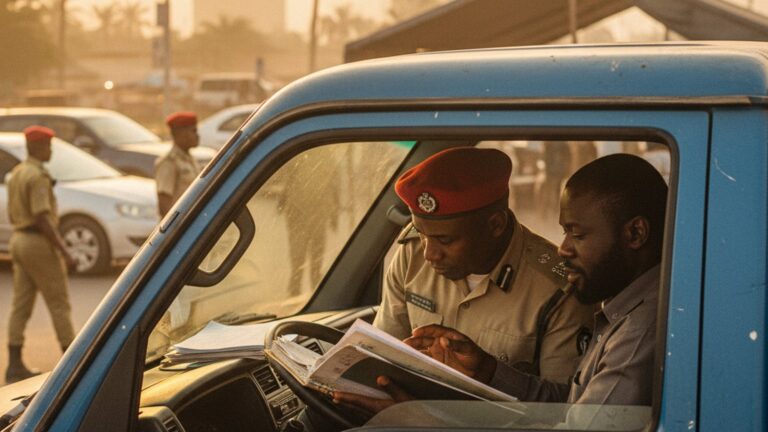
A checkpoint is the wrong place to learn which paper you are missing.
Nigeria asks a car to carry several documents, and they renew on different cycles, so it is easy to let one slip.
One expired paper can cost you an afternoon and a fine.
Here is the full checklist, what each document is for, and how to keep them all current.
The papers every car should carry
Start with the short version. A properly documented car in Nigeria carries these:
- Proof of ownership
- Vehicle licence
- Roadworthiness certificate
- Valid insurance
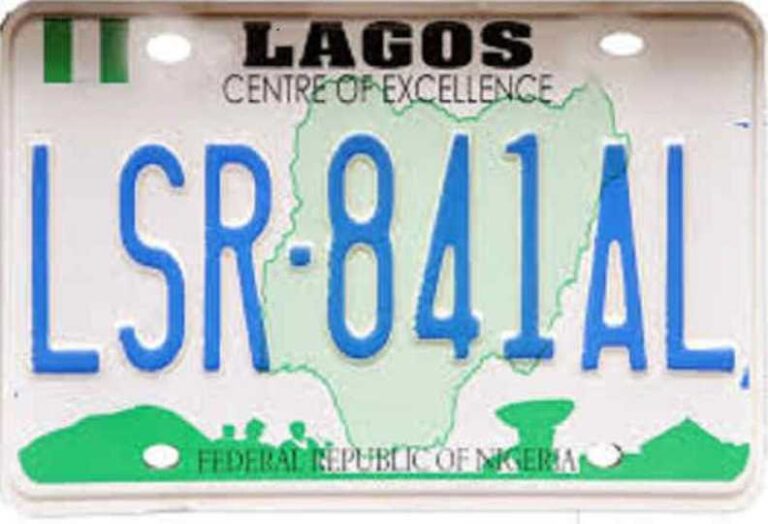
- Vehicle registration and number plate
- The driver's licence of whoever is driving
Then, where they apply, two more: a tinted glass permit and police vehicle registration. We will take the main ones in turn.
Vehicle particulars: the core set
Particulars are the documents that prove the car is registered and road-legal.
Proof of ownership shows the car is yours. The vehicle licence keeps the registration current. The roadworthiness certificate says the car is fit for the road, and insurance covers you if something goes wrong.
These are what an officer means when they ask for your particulars, and they are managed through the FRSC and state licensing offices.
Our vehicle registration papers service handles the full set, and the running cost is covered in our vehicle registration cost guide.
Get your papers sorted in one place
Tell us your vehicle and which documents you need. We will process registration, the tinted permit, police CMR and renewals, so you drive fully covered.
Sort my papers on WhatsAppYour driver's licence
The car's papers are only half of it. You need your own.
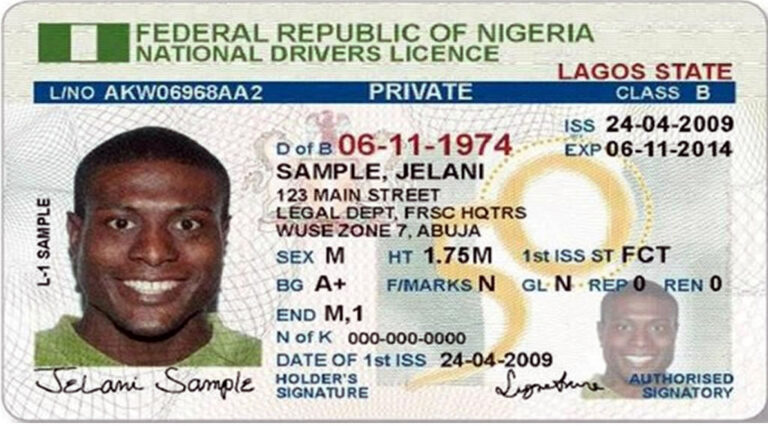
A valid driver's licence is your personal permit to drive, and a checkpoint can ask for it alongside the vehicle particulars.
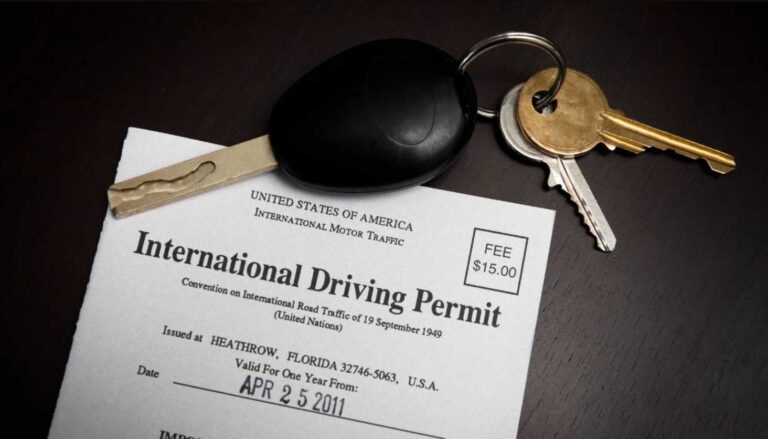
If you drive abroad, you also need an international driver's permit, which translates your Nigerian licence for use in other countries.
Two sets of papers, not one. The car has to be legal, and so does the person driving it.
The permits people forget
Two documents sit outside the standard set and trip up a lot of owners.
The first is the tinted glass permit. Any tint darker than factory glass needs one, issued by the police, and it is checked on its own. The full process is in our tinted permit guide.
The second is police vehicle registration, the CMR, which records your car in the police database so it can be flagged if stolen.
We cover that in how to register for police CMRIS.
Keeping it all valid
The catch with vehicle papers is that they expire on different dates.
The vehicle licence, roadworthiness and insurance each run on their own cycle, so the trick is tracking the expiry of each one and renewing before it lapses.
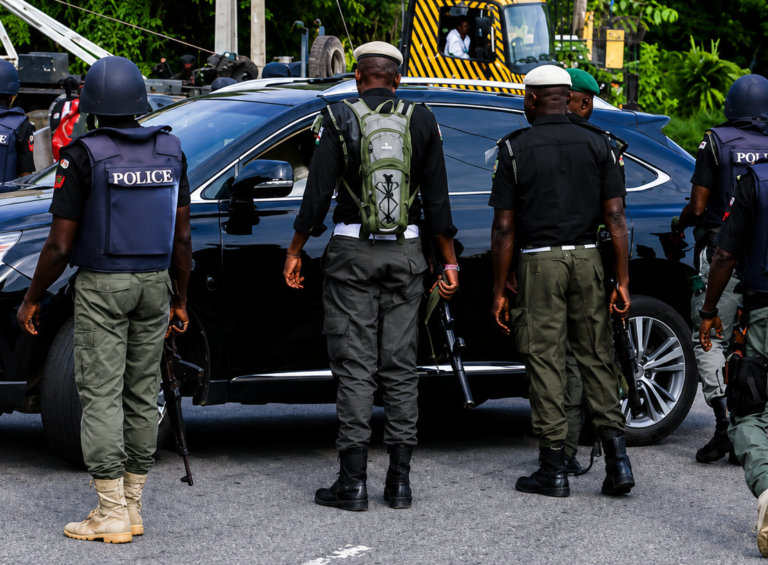
A simple reminder for every date saves the fines and delays an expired paper brings, the same discipline the Nigeria Police Force checks for at roadblocks.
If keeping track is the hard part, we process and renew the full set so nothing slips.


Frequently asked questions
What papers must a car have in Nigeria?
Proof of ownership, a vehicle licence, a roadworthiness certificate, valid insurance, the registration and number plate, and the driver's licence of whoever is driving. Tinted glass and police vehicle registration are added where they apply.
What is the difference between vehicle particulars and a driver's licence?
Particulars prove the car is registered and road-legal: ownership, licence, roadworthiness and insurance. A driver's licence is your personal permit to drive. A checkpoint can ask for both, so both must be current.
Do I need a permit for tinted windows?
Yes. Any tint darker than the factory glass needs a permit issued by the police through the POSSAP system. It is separate from your vehicle particulars and checked on its own.
How do I keep all my papers valid?
Track the expiry of each document, since they renew on different cycles, and renew the vehicle licence, roadworthiness and insurance before they lapse. A simple reminder for each date avoids fines and delays.

The editorial team at Car Tracker Nigeria, drawing on two decades of vehicle tracking, recovery and fleet work across Nigeria to publish practical security guides.
Related guides.


The full Documentation & Permits cluster.