
Video telematics, the clip behind every event.
Car Tracker Nigeria wires AI cameras into your fleet tracking, so a harsh brake or a phone in the driver's hand reaches the office as a clip with its location and time, not just a spike on a graph.
Quoted per fleetTwo camera tiers. Volume pricing from 10 vehicles.
- AI road and driver lenses
- GPS and time on every clip
- One dashboard
- Fitted at your yard
What it does, how it is priced.
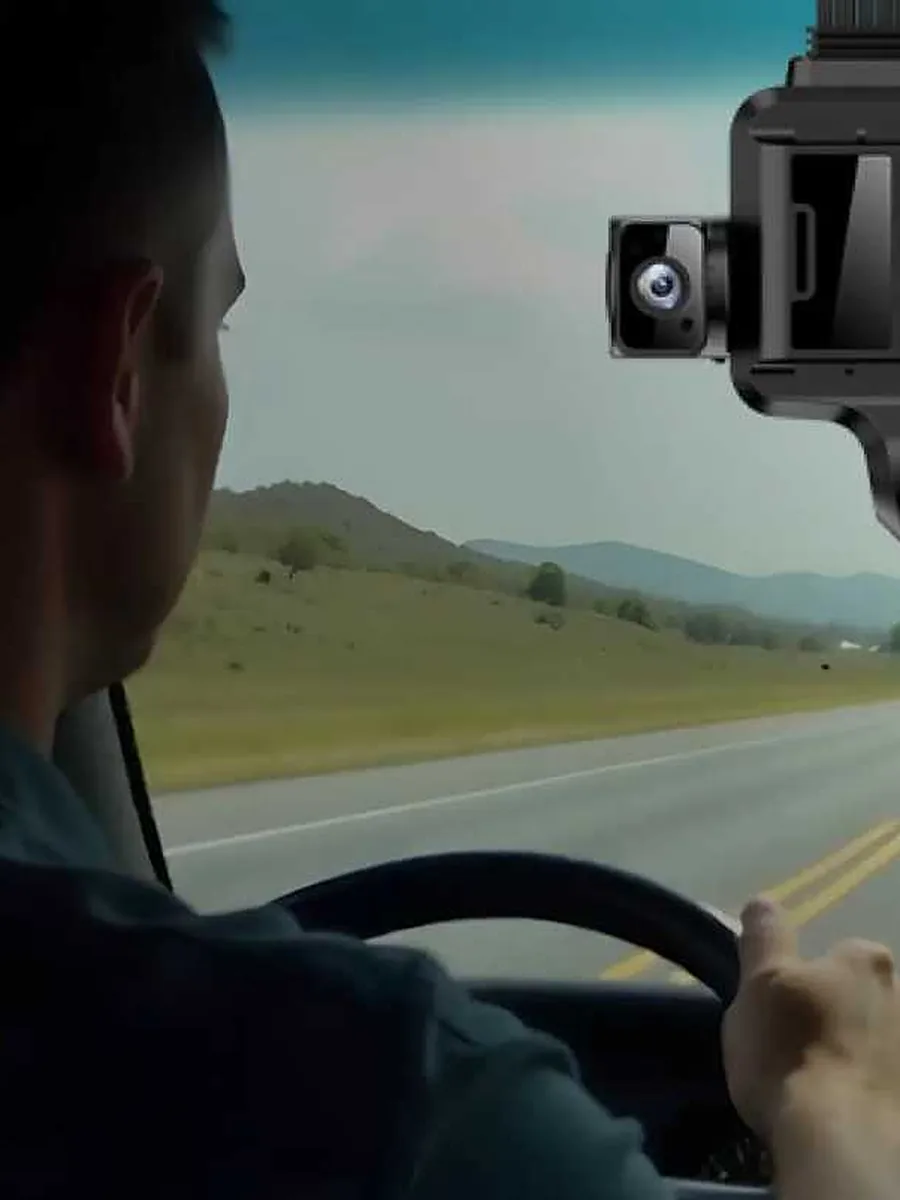
Video telematics joins your tracking data and an AI camera into one system. When the camera flags a harsh event or distraction, the clip goes to the cloud stamped with the GPS position and time. Car Tracker Nigeria offers road-facing cameras, or road and driver cameras, quoted per fleet.
- Price
- Quoted per fleet
- Tiers
- Road, or road and driver
- Clip length
- 30 seconds per event
- Clip window
- 15 seconds before, 15 after
- Upload
- Within minutes over GSM
- Live view
- On request
- Fitting
- 90 to 120 minutes a vehicle
- Warranty
- 2 years
Quoted on your cameras, retention and fleet size.
The figure follows the number of vehicles, the camera tier and how long clips are kept. Road and driver adds a second lens for distraction and fatigue, and suits most fleets.
- AI camera, or road and cabin cameras
- Tracker wired in with the cameras
- Event clips to the cloud with GPS and time
- Live view and one dashboard
- Fitting at your yard and a 2-year warranty
Video telematics prices
Per vehicle, quoted per fleet.
- Road-facingOne AI camera per vehicleQuoted
- Road and driverSecond lens in the cabQuoted
- 10 vehicles or moreVolume priceQuoted
From your fleet list to clips on the dashboard.
Existing CTN trackers take the cameras in one visit.
- 1
Tell the team the fleet
Vehicle count, cities, and road or road-and-driver cameras.
On WhatsApp - 2
Cameras fitted
Wired in with the tracker at your yard, out of sight.
90 to 120 minutes each - 3
Events tuned
Thresholds checked against real driving.
First 30 days - 4
Coach and prove
Show drivers their own clips, or send a crash clip to the insurer.
Ongoing
A camera that reads, not just records.
The AI decides what counts as an event and sends that clip.
Harsh braking
Flagged automatically, with the road view that explains it.
Tailgating and lane drift
The road lens watches the vehicle ahead and the lane.
Phone use and smoking
The driver lens flags distraction in the cab.
Fatigue
Yawning and closed eyes flagged on road-and-driver units.
Location on every clip
Each clip carries its GPS spot and time.
Live view
Pull a live feed from any vehicle, with its position.
Fleets where a crash costs more than the camera.
Haulage and tankers
Long runs where one crash can wipe out a year's margin.
Passenger fleets
Staff buses and transport where people are on board.
Distribution
Vans in city traffic, where claims and disputes are common.
Questions, answered.
How much does video telematics cost in Nigeria?
Car Tracker Nigeria quotes it per fleet, based on the number of vehicles, the camera tier and how long clips are kept. Volume pricing starts at 10 vehicles.
How is it different from a dashcam?
A dashcam records. Video telematics reads: the AI camera decides what counts as an event and sends that clip to the fleet dashboard with the tracker location.
What does a clip contain?
About 30 seconds around the event, 15 seconds before and 15 after, stamped with the GPS position and time.
Can cameras be added to existing CTN trackers?
Yes. Existing CTN fleets add cameras in one visit per vehicle, on the same dashboard and invoice.
Does the footage help with insurance claims?
A timestamped clip with the GPS position shows what happened, which supports the claim. How an insurer uses it is up to the insurer.
See what really happened.
Send the vehicle count, cities and camera tier. The team scopes it and sends a quote.