Both are films on your glass. That is where the similarity ends.
People assume dark tint also makes the window tough. It does not.
Tinting is for comfort. Fortification is for security. Confusing the two leaves you paying for one and thinking you got the other.
Here is the difference in plain terms.
What tinting does
Window tinting is about how the cabin feels.
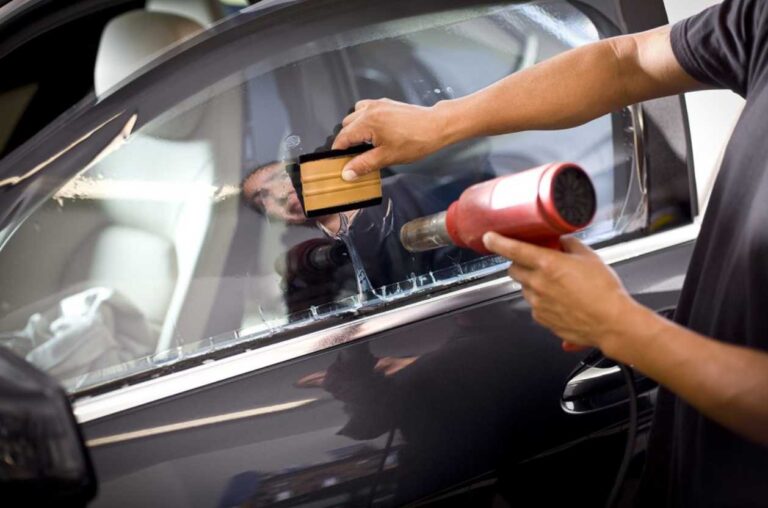
It rejects heat so the air-conditioning works less, blocks the UV that fades your interior, cuts glare and gives you privacy.
It is a thin film, chosen by shade and heat performance, covered fully in the car window tint guide.
What it is not built for is impact. A standard tint will not stand up to someone trying to break in.
What fortification does
Glass fortification is about how the car holds up under attack.
It is a thick, clear safety film that keeps the glass together when it is struck, so the window cracks but stays in the frame instead of falling away.
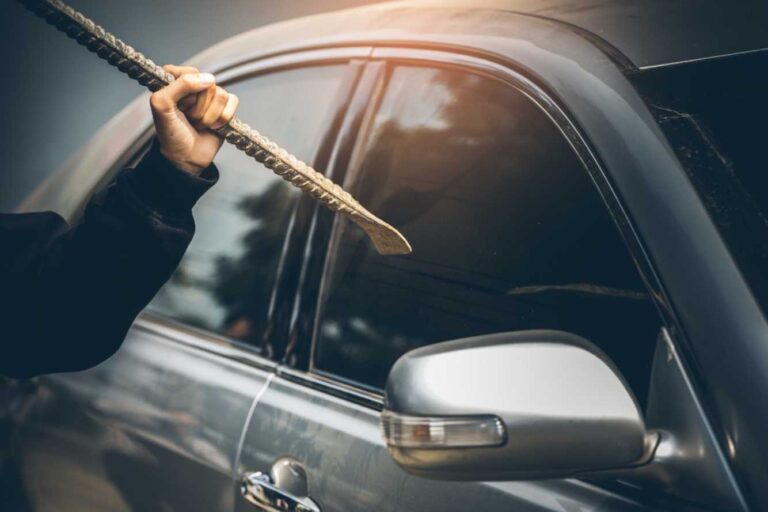
That buys the seconds that end a smash-and-grab, the kind of stationary, urban attack the Nigeria Police Force flags as the high-risk moment.
Tint cools the car. Fortification defends it. Neither does the other's job.
Get the right film for the right job
Tell us whether you want comfort, security or both. We will fit tint, fortification, or the two together, and process your permit.
Get advice on WhatsAppWhy the confusion is dangerous
The risk is buying a dark tint and feeling protected.
A heavily tinted window looks tough, so people assume it will resist a break-in. Then the first real blow proves otherwise.
There is a safety angle too. Film that holds glass together also stops it spraying the cabin in a crash, an injury the FRSC sees far too often, but only fortification-grade film does that reliably.
Knowing which film does which job is the whole point.
Most cars want both
The good news is you do not have to choose.
The two layer together. Fortification handles security, tint handles heat and privacy, and the same window does both jobs.
For an exposed vehicle, that combination, plus a tracker for recovery if the car is taken, is the complete picture.
Resist at the glass, recover with the tracker, stay cool in between.
So which do you need
Match it to your risk.
Mainly want a cooler, more private cabin: tint is enough. Exposed in slow traffic, gates at night, or routes you do not trust: add fortification.
On most Nigerian roads, both earn their place, and the fuller comparison of films sits in ceramic vs carbon vs dyed.
Tell us your vehicle and your concern, and we will scope the right mix.



Frequently asked questions
What is the difference between glass fortification and window tinting?
Tinting is for comfort: it rejects heat, blocks UV and adds privacy. Fortification is for security: a thick, clear film that holds the glass together under attack. One cools the car, the other defends it, and they can be combined.
Can I have both on the same window?
Yes. They do different jobs and layer together: fortification protects against forced entry, tint sits with it for heat, UV and privacy. For an exposed vehicle, both is the complete setup.
Does normal tint protect against smash-and-grab?
Not meaningfully. Standard tint is thin and built for heat and privacy, not impact. For real resistance you need dedicated anti-shatter fortification film.
Which one do I need?
If you mainly want a cooler, more private cabin, tint is enough. If you are exposed in slow traffic or on risky routes, add fortification. Most owners on Nigerian roads benefit from both, with a tracker for recovery.

The editorial team at Car Tracker Nigeria, drawing on two decades of vehicle tracking, recovery and fleet work across Nigeria to publish practical security guides.
Related guides.