In the Nigerian sun, window tint is not a styling choice. It is climate control for your car.
The right film drops the cabin temperature, blocks the UV that fades your interior, kills glare and adds privacy.
The wrong one fades in a year, or worse, kills your tracker signal.
Here is what the films actually do, which one suits your car, and the permit that keeps it legal.
What tint actually does
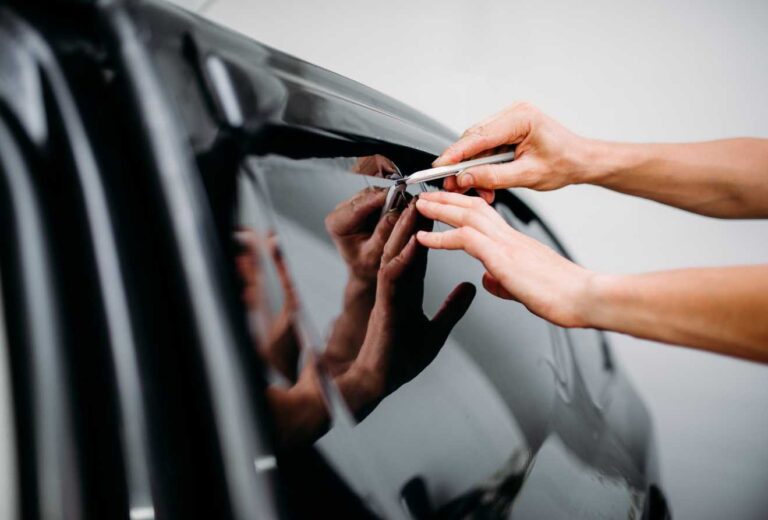
Tint is a thin film bonded to the inside of the glass. Its job is heat, light and privacy.
A good film rejects a big share of the sun's heat, so the air-conditioning works less and the cabin is bearable after the car has sat in a car park all afternoon.
It blocks UV too, which is what the World Health Organization links to skin and eye damage on long drives, and which quietly bleaches the colour out of your dashboard and seats.
And it cuts glare and adds privacy. Same film, four jobs.
The five films, in plain terms
We fit five types, and the difference between them is real.
Ceramic is the best overall: top heat rejection and 99 percent UV, no metal, premium price. Carbon gives most of that for less, which makes it the value pick.
Crystalline is a near-clear film that still rejects heat, ideal for windshields and staying inside the legal limit.
Metalized rejects heat well but contains metal. Dyed is the cheapest, darkens the glass, and fades over time.
Tint your car the right way
Tell us your vehicle and what matters most, heat, privacy, clarity or budget. We will recommend the right film, fit it cleanly, and process your permit.
Get a tint quote on WhatsAppThe catch that matters for a tracked car
If your car has a GPS tracker, one of those films can work against you.
Metalized tint contains fine metal particles, and metal interferes with signals. It can weaken the GPS, the phone reception and the radio.
That is a problem when your security depends on a tracker reporting cleanly.
The darkest film is not the best film. On a tracked car, the metal in the glass can cost you the signal that gets it back.
So for any vehicle running a tracker, we steer you to ceramic or carbon. Both are signal-safe, and both protect the tracker you paid for.
The law: you need a tinted permit
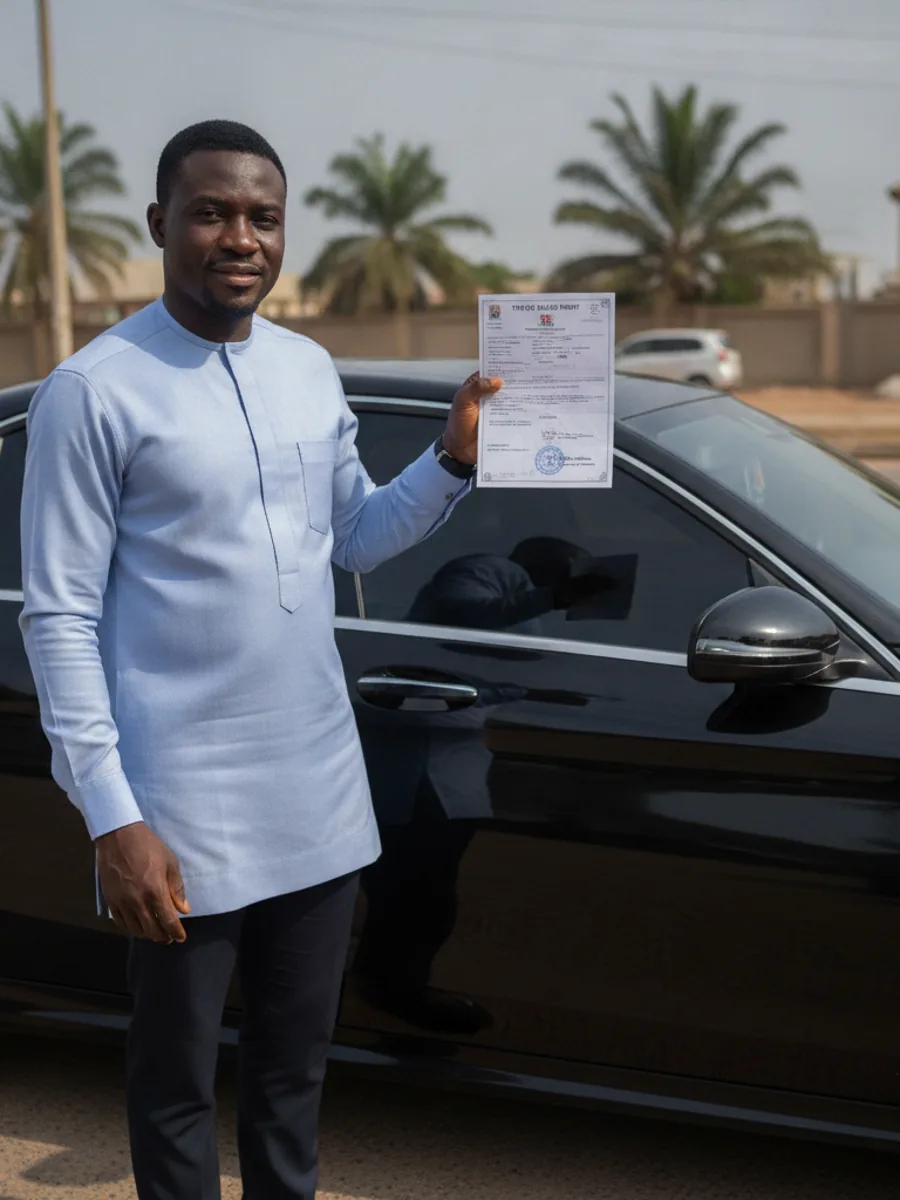
Factory glass aside, tinted windows in Nigeria need a permit. This trips up a lot of owners.
The permit is issued through the police POSSAP system, and without it a tinted car can be stopped and penalised.
Whichever film you pick, we process the permit with the job, so the car leaves road-legal.
The full how-to is in our guide to the tinted glass permit in Nigeria, and the permit itself runs through our tinted permit service.
What it costs
Tint is quoted per vehicle, not off a fixed price list.
Three things move the number: how many windows you are doing, which film you choose, and the size of the glass on your vehicle.
A budget dyed job on a saloon is at one end. A full ceramic wrap on a big SUV is at the other.
Send your make and model and what matters most to you, heat, clarity, privacy or price, and we quote it firm. The deeper buying comparison sits in ceramic vs carbon vs dyed.
How to choose without overthinking it
Strip it down and the choice is short.
Executive car or SUV you want to keep cool and protected: ceramic. Want most of that for less: carbon.
Windshield, or you want to stay clearly within the limit: crystalline. Tight budget and you mainly want the dark look: dyed.
Tracked vehicle: anything but metalized. Beyond protecting the glass itself, a layer of glass fortification turns the same window into a security upgrade.


Frequently asked questions
Which car window tint is best in Nigeria?
Ceramic is the best overall: the most heat rejection and 99 percent UV, with no metal, so it never affects a tracker. Carbon is the best value, and crystalline is the clear-film choice for windshields and tint limits.
Does window tint affect a GPS tracker?
Only metalized tint can interfere, because it contains metal particles. Ceramic, carbon, crystalline and dyed films are all signal-safe. For a tracked vehicle, choose ceramic or carbon.
Do I need a permit for tinted glass in Nigeria?
Yes. Tinted glass requires a permit issued through the police POSSAP system. Whichever film you choose, the permit is processed for you so the car stays road-legal.
How much does car window tinting cost?
It is quoted per vehicle, based on the number of windows and the film, from budget dyed up to premium ceramic. Send your make and model for a firm price.
The editorial team at Car Tracker Nigeria, drawing on two decades of vehicle tracking, recovery and fleet work across Nigeria to publish practical security guides.
Related guides.