The price of a car tracker in Nigeria depends on the car you are protecting.
A Corolla and a Prado do not carry the same risk. So they do not carry the same tracker.
Installation for most private vehicles starts at around ₦100,000 for the first year. From there the figure climbs with the value of the car.
The reason is simple. A pricier vehicle earns a deeper-hidden, higher-spec unit that is far harder for a thief to find and kill.
What a car tracker actually costs in 2026
For a standard saloon, budget around ₦100,000 in year one.
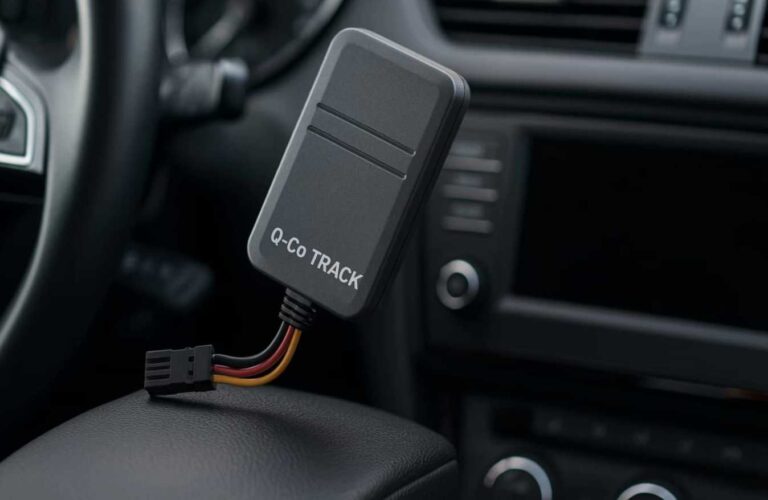
That covers the device, a hidden professional install, an NCC-registered SIM, the app on your phone, and a full year of monitoring.
Mid-range SUVs and pickups sit higher, usually near the ₦150,000 mark. They get a sturdier unit and a more careful install.
High-value vehicles are a different bracket. The Land Cruisers and G-Wagons people actually lose sleep over run ₦250,000 and up, for a premium tracker buried where no roadside “de-tracker” will reach it in five minutes.
The price scales for one plain reason: the harder your car is to steal and keep, the more tracker it needs.
The cheapest box on Jumia is the most expensive tracker you can buy, because it fails at the exact moment you need it.
The yearly renewal, and what it actually pays for
After year one you pay a renewal, around ₦35,000 a year for a private vehicle.
This is where it helps to understand what you actually bought.
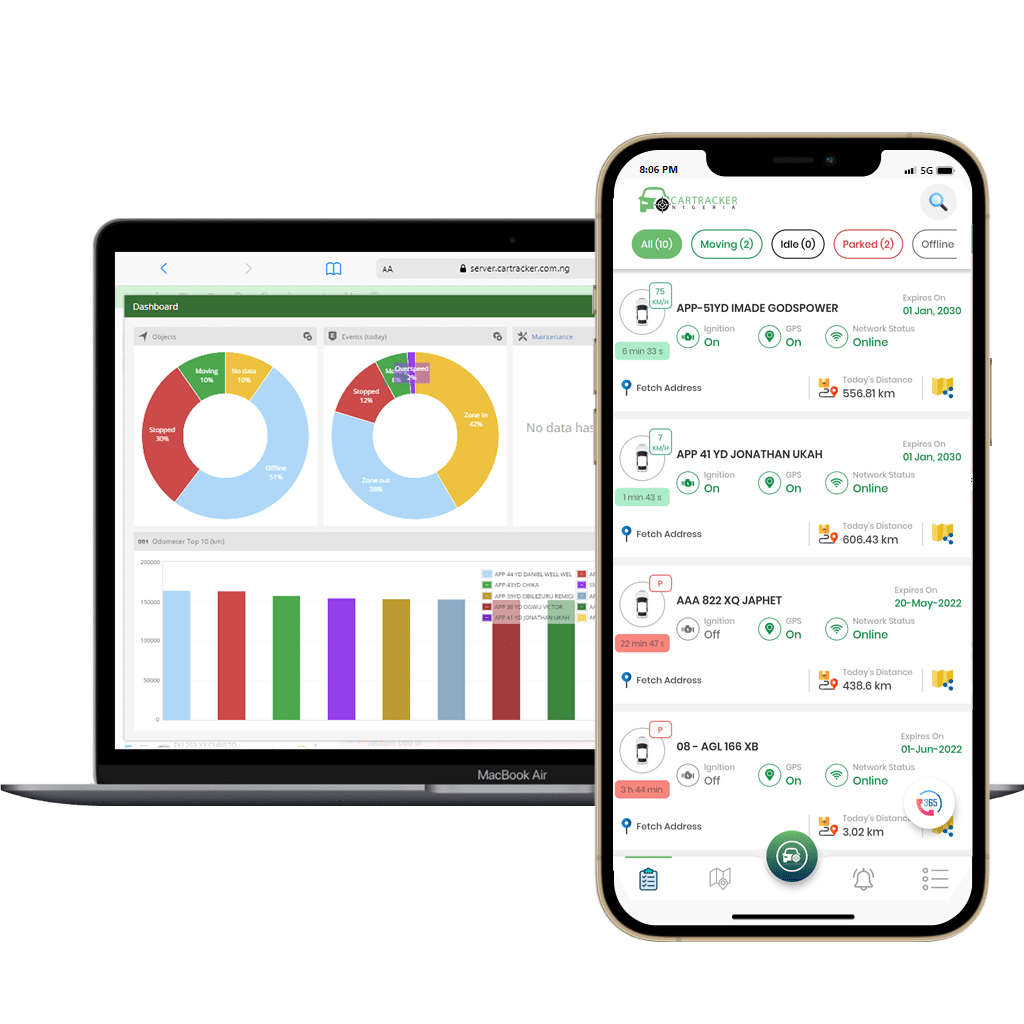
A car tracker at Car Tracker Nigeria is a service, not a gadget you own and forget. The device is only the part you can touch.
The renewal keeps the service running behind it. The data the tracker burns sending its location every few seconds. The platform that shows you the car and stores where it has been. And the team that troubleshoots the unit and picks up at 2am when your gateman calls to say the car is gone.
Treat it the way you treat any service you depend on. Stop paying it and the service stops, the same as any platform you switch off.
We break down exactly what the renewal covers in our car tracker renewal cost guide.
Get a firm price for your vehicle
Send your make, model and year and we will quote in minutes, with the renewal stated upfront.
Get a quote on WhatsAppWhy the cheapest tracker is the most expensive one
I have watched the cheap-tracker story play out more times than I can count.
A trader in Alaba buys a ₦25,000 unit with a SIM nobody registered properly. It pings happily for three weeks.
Then his Sienna vanishes off the Apapa-Oshodi Expressway.
The tracker is already dead. The SIM was blocked weeks ago, because cheap boxes run on black-market lines that never pass NCC registration. And there is no team on the other end to move on the police before the car crosses a state line.
He saved ₦75,000 and lost a vehicle worth several million.
Cheap hardware on a black-market SIM is not a tracker. It is a decoration that beeps for a few weeks and then goes quiet.
The whole value of tracking shows up on one bad night. That is the night the cheap box was never built to survive.
What your money is actually buying
Strip away the hardware and what you are paying for is the part that recovers cars.
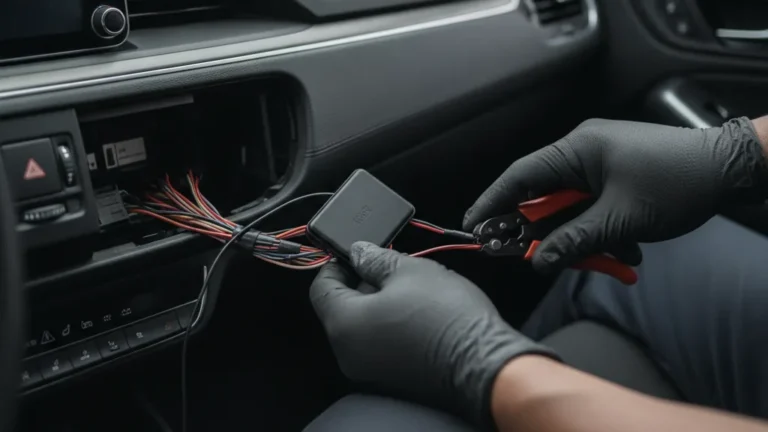
NCC-registered SIMs that do not get blocked. An install hidden well enough that a thief tearing through the dashboard at a filling station cannot find it. A 12–24-hour backup battery, so the unit keeps talking even after someone cuts the main power.
And a recovery team that knows how a Nigerian DPO actually works, which papers to carry, and how to move in the first hour. Recovery here runs hand in hand with the Nigeria Police Force, and a good team already knows the station before you call.
That last piece is the whole game.
A dot on a map recovers nothing. People recover cars.
The companies with a 95% recovery rate are not the ones with the flashiest app. They are the ones who pick up at 2am and know where to go.
Matching the tracker to your vehicle
Match the tracker to what you are protecting.
A single family car needs a solid hidden unit and a real recovery promise. Nothing exotic.
A fleet of trucks running goods up to Kano is a different conversation. There you want fuel monitoring, driver behaviour and one dashboard for the whole yard instead of ten apps. We go deep on that in our fleet management and truck tracking pages.
Motorcycles, boats, even an EV charging in your compound each take a slightly different unit. If you are not sure which, the types of car trackers guide lays them out.
The common mistake runs both ways. Buying a fleet-grade system for one Camry. Or trusting a ₦25,000 toy with a truck worth fifteen million.
How to choose without getting burned
Three things separate a real tracking company from a man with a carton of devices.
First, ask whether the SIM is NCC-registered, and do not accept a vague yes.
Second, ask exactly where the install goes and whether it is hidden. A tracker screwed under the steering column is the first thing a thief removes.
Third, ask what happens the night your car is taken. Listen for an actual recovery process with a real office behind it, not a phone number that rings out.
If the warranty is in writing and the office has an address you can walk into on Allen Avenue, you are dealing with the right kind of people.
Send your make, model and year, and ask for a firm price in writing. A serious company will give you one in minutes.


Frequently asked questions
How much does a car tracker cost in Nigeria in 2026?
For a standard saloon, installation starts at around ₦100,000 for the first year. Mid-range SUVs and pickups sit near ₦150,000, and high-value vehicles ₦250,000 and up for a premium hidden unit. The first-year figure scales with the vehicle.
Do I pay monthly or yearly?
Tracking is billed as a yearly service, not a monthly subscription. After the first year you renew once a year at around ₦35,000, which covers the data, the software platform and support.
What does the annual renewal cover?
It is the running cost of the service: the data the tracker uses to report its location, the software platform that shows the vehicle and stores its history, and support and troubleshooting from the team, around the clock.
Why are cheap trackers risky?
They usually run on unregistered SIMs that get blocked within weeks, with no recovery team behind them. They go silent at the exact moment a car is stolen.
Do you install across Nigeria?
Yes. Installation runs from Lagos, Abuja and Port Harcourt, with coverage in Ibadan, Ilorin, Owerri, Enugu, Benin, Kano and more. Installs outside the main offices may attract a small logistics fee.
The editorial team at Car Tracker Nigeria, drawing on two decades of vehicle tracking, recovery and fleet work across Nigeria to publish practical security guides.