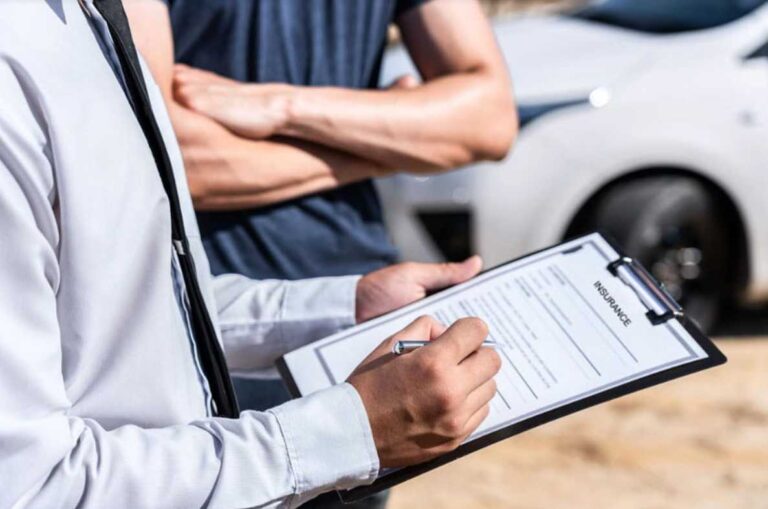
A stolen-car report is not paperwork for later. Filed early and filed right, it is part of getting the car back.
It flags the car nationwide, gives a recovery team the legal cover to act, and opens your insurance claim. Filed late or filed badly, it costs you the very hours that matter most.
Here is how to do it properly.
Go to the nearest station, fast
Report at the station closest to where the car was taken, not your home station across town.
Speed beats convenience here. The sooner the report is on record at the Nigeria Police station, the sooner the car can be flagged and the sooner anyone who stops it has reason to hold it.
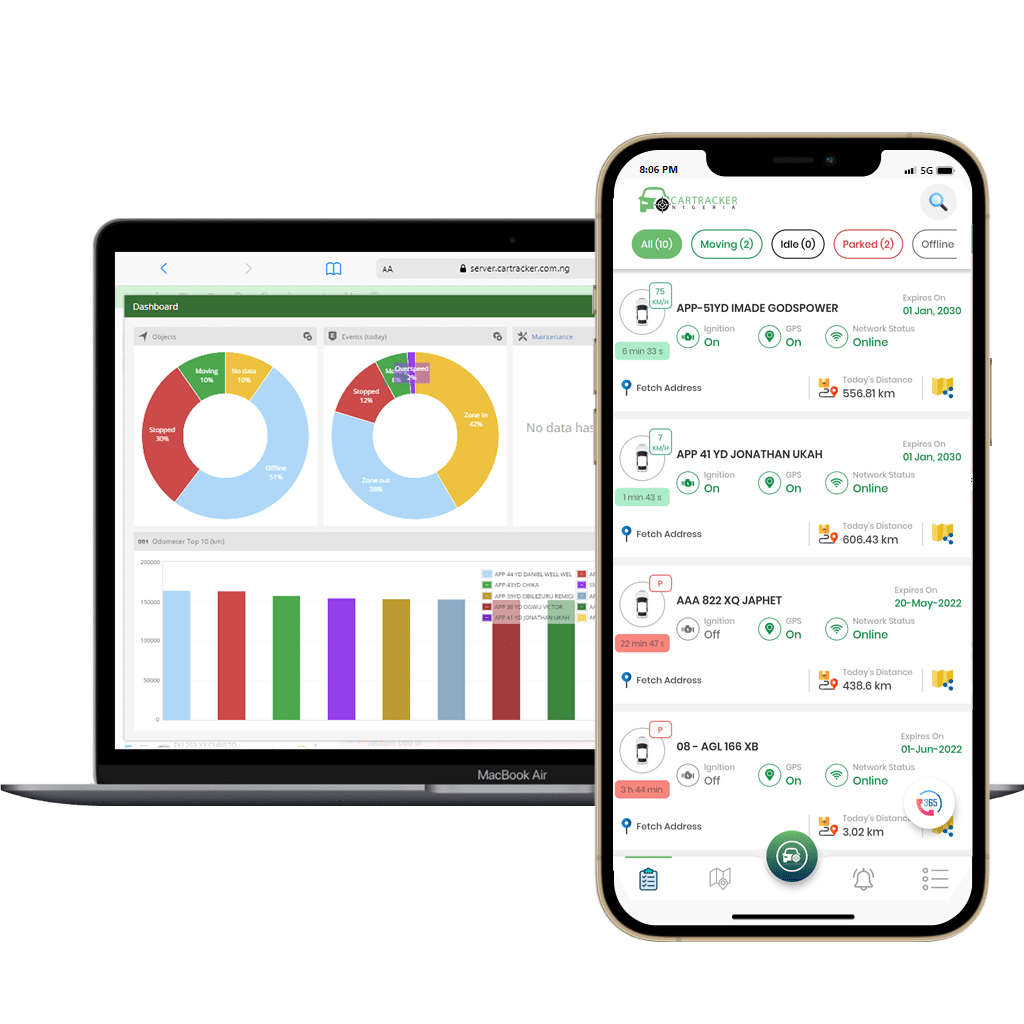
If the car is tracked, your recovery team and the police can already be moving while you file. The report runs alongside the chase, it does not replace it.
Bring the right things
Walk in with what proves the car is yours and what identifies it.
That means your vehicle papers or proof of ownership, a valid ID, and the car's details: plate, make, model, colour and chassis number. The chassis number is the one identifier a thief cannot easily change, so it carries the most weight.
Keep a folder of your vehicle papers in order and this step takes minutes instead of a frantic search.
File it, and collect the extract
Give a clear, simple account: what was taken, where, and when. Stick to facts and leave out the guesswork.
Then ask for the police extract, and make sure you leave with it in hand. This is the document that proves the theft was reported.
No extract, no insurance payout, and no clean legal basis to seize the car when it surfaces. Do not leave without it.
Reporting a theft right now?
If the car is tracked, our team can move while you file. Reach us and we will start on our side immediately.
Reach the recovery teamThe CMRIS flag, and why it helps
Your report does more than sit in a station ledger.
It lets the car be flagged in the national vehicle database used to spot stolen cars at checkpoints and by honest dealers. A flagged chassis number is a trap waiting to spring the moment the car shows its face.
This is the same record behind proper registration, which we explain in our guide to police CMRIS registration.
Why the report is non-negotiable
Two things hang on it.
First, recovery. A team can locate a tracked car, but stopping and seizing it cleanly needs the law on your side, and that starts with the report and the extract.
Second, money. If you carry comprehensive cover, the claim begins with the police extract, and our guide on filing a car insurance claim after theft picks up from there.
Reporting is the hinge the whole thing turns on. For the full sequence, from the first call to the car back in your driveway, see our stolen car recovery playbook.


Frequently asked questions
How do I report a stolen car to the police in Nigeria?
Go to the nearest police station as soon as possible, give the full vehicle details, show proof of ownership and ID, file the report and collect a police extract.
What documents do I need to report a stolen car?
Your vehicle papers or proof of ownership, a valid ID, and the vehicle details: plate number, make, model, colour and chassis number.
What is a police extract and why do I need it?
It is the official record of your report. The recovery team needs it to legally stop and seize the car, and your insurer will not process a theft claim without it.
Does reporting to the police help recover the car?
Yes. It flags the car in the CMRIS database so it can be identified at checkpoints and by dealers, and it gives the recovery team the legal cover to act.
The editorial team at Car Tracker Nigeria, drawing on two decades of vehicle tracking, recovery and fleet work across Nigeria to publish practical security guides.
Related guides.