Most people buy a car tracker without ever knowing what happens after they pay.
The installer takes the car for an hour, hands it back, and the app starts showing a moving dot. The bit in the middle stays a mystery.
It should not. Where the unit goes, how it is wired, and which SIM sits inside it are what decide whether the tracker saves your car or quietly fails the night you need it.
So here is the whole job, start to finish, with no sales gloss.
What actually happens during installation
A proper fit follows the same five steps every time.
First, you confirm the car. You send the make and model on WhatsApp, and the installer comes to your home or office, often the same day in Lagos, Abuja and Port Harcourt.
Then the installer hunts for a hiding place. Not a quick clip under the seat, but a spot that is awkward to reach and invisible at a glance, where the unit can still see the sky.
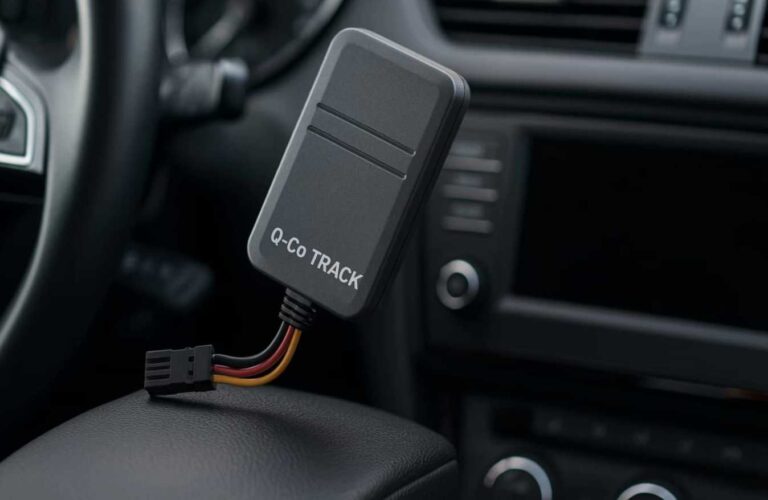
Next it is hardwired into the car's power, so it charges while you drive. A backup battery rides alongside it, good for 12 to 24 hours, so the tracker keeps reporting even if someone rips out the main feed.
After that comes the SIM, the step most buyers never think about. More on it below.
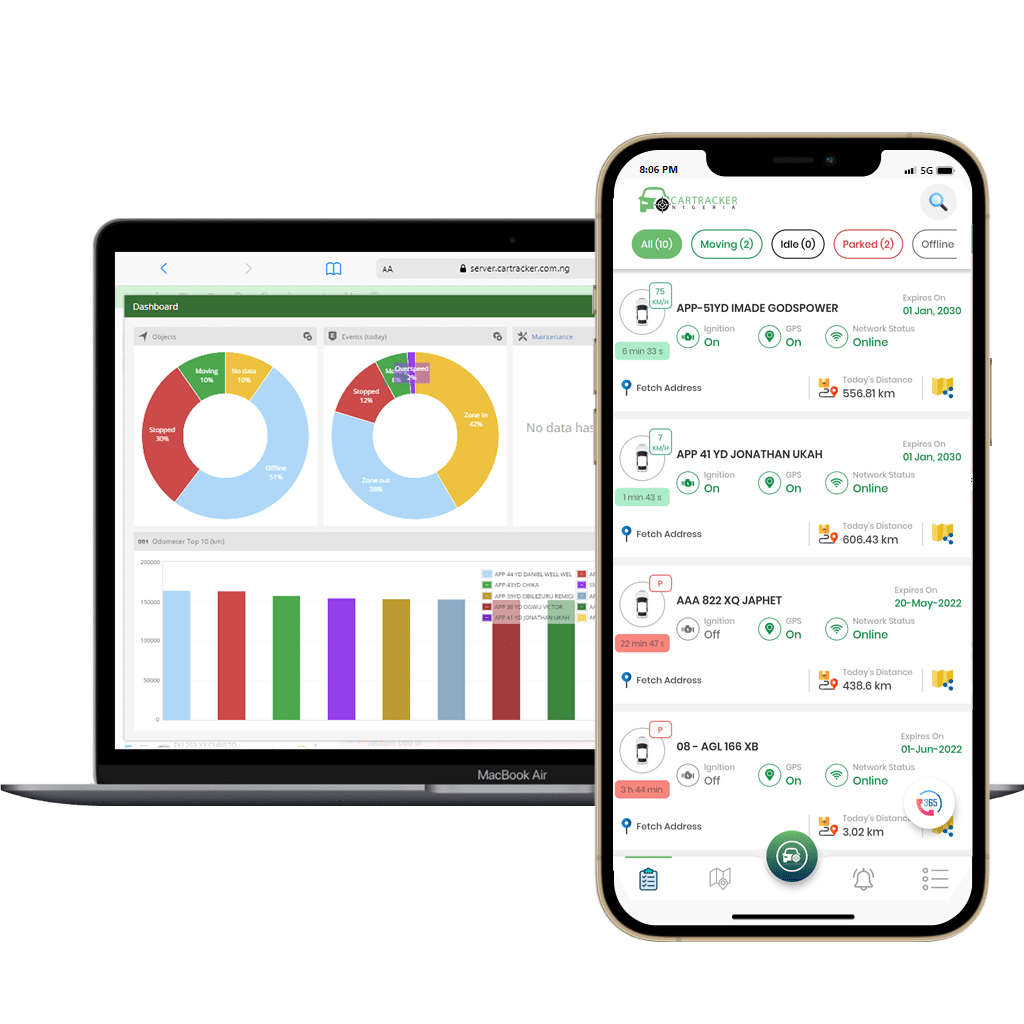
Last, the installer opens the live platform and checks everything before you drive off: location, geofence alerts, the remote engine cut-off. If a feature does not fire on the screen, the job is not finished.
Where the tracker actually hides
This is the part people are most curious about, and the part we say least about in public, for good reason.
A thief who lifts a car worth real money does not panic and drive. He parks it somewhere quiet and goes looking for the tracker, because he knows roughly where lazy installers put them.
So a good install does the opposite of obvious. The unit goes behind the dashboard, up inside the trim, or buried in the wiring loom, somewhere that takes tools and time to reach.
It also has to keep a clean line to the sky. Bury it under a metal plate and you have hidden it from the thief and from the satellites at once.
The skill is finding the spot that is hard for a person to reach but easy for a signal to leave.
The exact location stays between you and the installer. The moment more people know, it stops being hidden.
If you want to understand the search from the other side, our guide on how to find a tracker on a car walks through where people look.
How long it takes, and where
For one private car, plan for 45 minutes to an hour.
A higher-value vehicle with a deeper, premium hidden unit takes a little longer, because the whole point is that the spot is harder to reach. A fleet is booked in over a day or two so the yard keeps running.
You do not drive anywhere for this. The installer comes to your house or office, which matters when you would rather not leave a car sitting at a workshop.
Same-day fits are normal in our main cities, and we cover plenty more beyond them.
The SIM step that makes or breaks it
Here is where cheap installs quietly fall apart.
A tracker talks to you over a mobile SIM. If that SIM is an unregistered one bought off a table in traffic, the network can switch it off at any time, with no warning.
The dot freezes. You only find out the day the car is gone.
A proper install uses a SIM registered on your NIN, the way the NCC requires, so it does not get cut off out of nowhere and the tracker stays online for the years you own the car.
When a tracker goes dark, the SIM is one of the first suspects. If yours ever does, the reasons and fixes are worth knowing before it happens.
Can you install a car tracker yourself?
You can. The question is whether it will do anything when it counts.
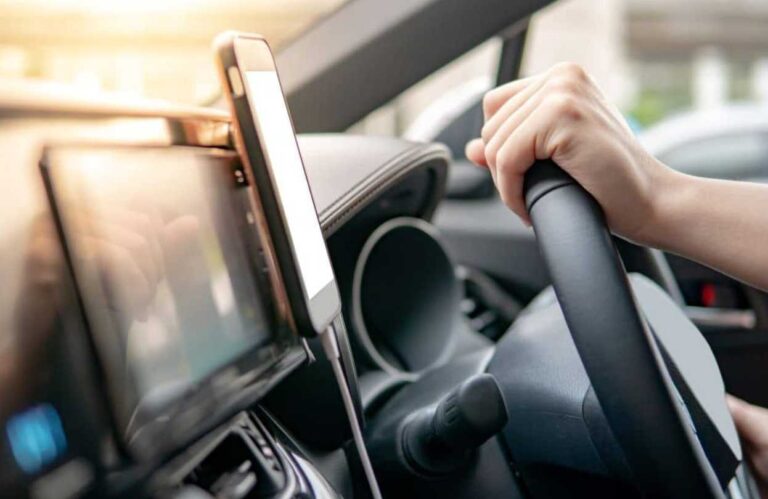
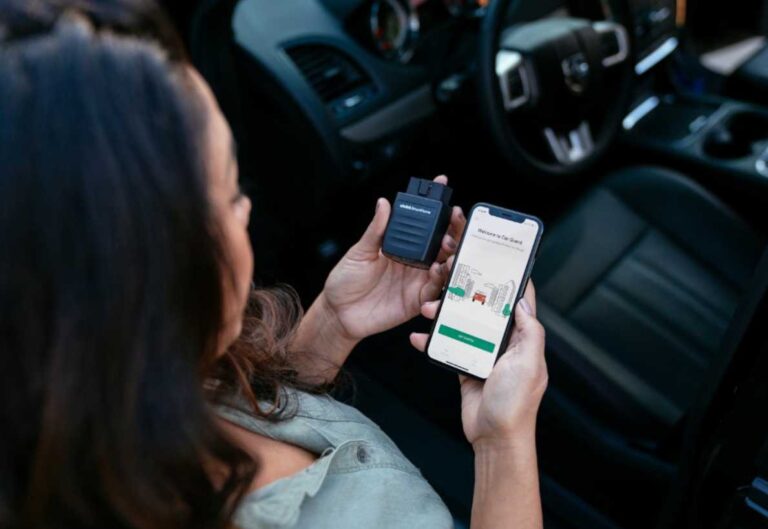
The DIY route is a plug-in unit that pushes into the OBD port under the steering wheel. It takes ten seconds and needs no tools.
That is exactly the problem. Anyone who has seen one knows to reach down and pull it out, and the car goes silent.
A hardwired, hidden install is a different thing entirely. It is tucked where a thief cannot find it in a hurry, it survives the main power being cut, and it sits on a registered SIM.
Behind it is a team whose job is to get the car back, not just an app that pinged you once and stopped.
For a phone or a cheap runabout, a plug-in toy is fine. For a car you would hate to lose, it is a false economy.
What a proper install actually includes
When you pay for an installation worth the name, you are paying for more than the plastic box.
You get the hidden, hardwired fit.
The registered SIM and the data that keeps it live.
The app on your phone with live location, geofences and the engine cut-off.
And the recovery team that knows how stolen cars move in Nigeria and how to work with the police to bring one back.
That bundle is why tracking is sold as a service, not a one-off gadget. The full breakdown of what it costs and what the yearly renewal covers is in our car tracker price guide, and if you are still weighing devices, the types of car trackers guide helps you match the unit to the car.
Get those pieces right and the install does its one job. It is there, unseen, on the day someone tries to take your car.


Frequently asked questions
How is a car tracker installed in a car?
A professional unit is wired into the vehicle's power, hidden out of sight, connected to an NCC-registered SIM, then tested on the live platform. The whole job usually takes under an hour for one car.
Where is a car tracker hidden in a vehicle?
Out of easy reach: behind the dashboard, under interior trim or deep in the wiring loom, in a spot that still gets a clear sky signal. The exact location is kept between you and the installer so a thief cannot guess it.
How long does car tracker installation take?
Usually 45 minutes to an hour for a single car. We come to you, and it is often a same-day fit in Lagos, Abuja and Port Harcourt.
Can I install a car tracker myself?
You can fit a simple plug-in unit yourself, but it sits in the OBD port where a thief can find and unplug it in seconds. A hidden, hardwired install on a registered SIM, with a recovery team behind it, is the version that actually protects the car.

The editorial team at Car Tracker Nigeria, drawing on two decades of vehicle tracking, recovery and fleet work across Nigeria to publish practical security guides.
Related guides.