A four-truck haulage business in Apapa can lose more to quiet fuel theft in one month than it pays a manager.
The diesel goes. The runs take longer than they should. And nobody can say exactly where the money went.
Fleet management is how you get that visibility back. It is not a gadget you bolt on and forget. It is the line between guessing and knowing what your vehicles do while you sleep.
What fleet management actually is
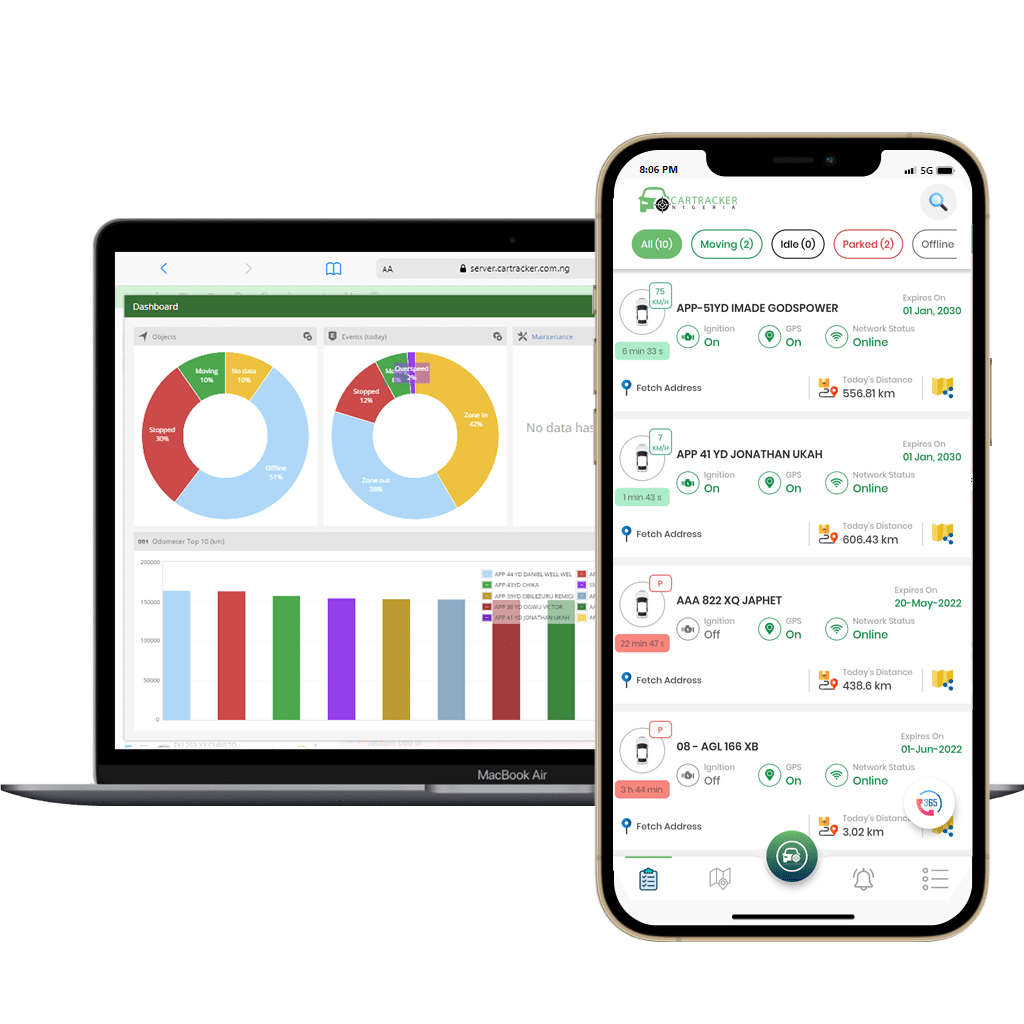
Put a tracker on every vehicle. Feed one dashboard you open on your phone or laptop. Now you are managing a fleet instead of chasing it.
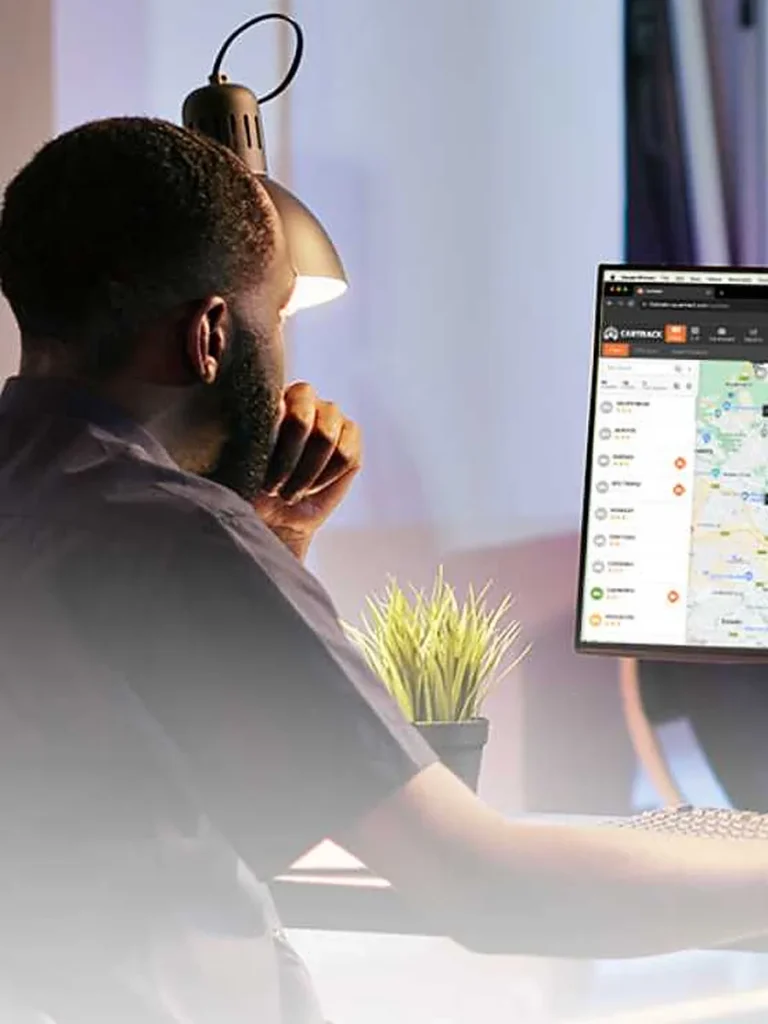
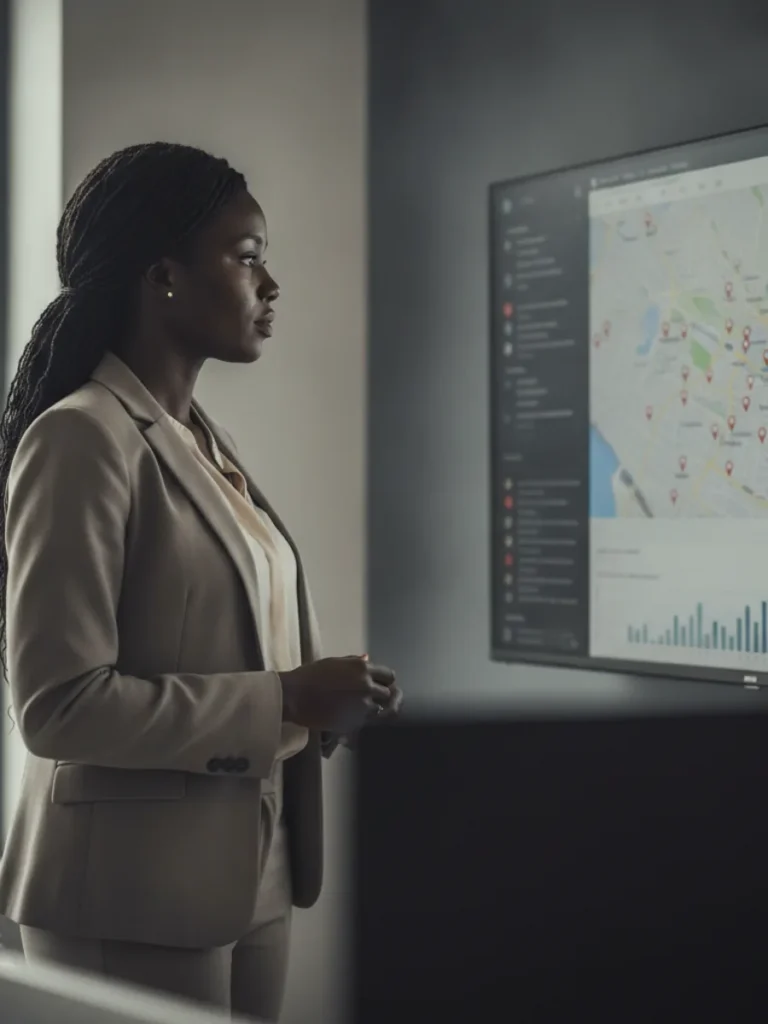
The dashboard shows live location, the full history of where each vehicle has been, fuel level, speed, idle time, and which driver did what.
You stop running the business on phone calls and a manager’s word. You start running it on what the vehicles actually did.
People mix up two things here. Tracking tells you where a truck is. Fleet management tells you the rest: the fuel, the driver, the idle hours, the route it took instead of the route you gave.
One is a dot on a map. The other is a way to run the operation.
What it costs in Nigeria
Pricing scales with the size of the fleet and what you bolt on.
Tracking starts at around ₦100,000 per vehicle in the first year, with a yearly renewal near ₦35,000. Fleets earn volume pricing as the number of vehicles climbs.
The renewal is the running cost of the service: the data each tracker burns reporting its position, the platform that shows you the fleet and stores its history, and the team that picks up when a unit acts up. We break the figures down further in our fleet tracking cost guide.
Then there are the add-ons that earn their place. Fuel monitoring sits on top of the tracker and runs from around ₦650,000 per vehicle or vessel in year one, because it includes a calibrated tank sensor and a careful install.
The dashboard that ties it all together is part of the subscription, not a separate licence you fight to renew. Pay for the service that keeps the fleet visible, not a box you own and abandon.
Put your fleet on one dashboard
Tell us how many vehicles you run and what they carry. We scope the trackers, fuel sensors and dashboard, and quote per vehicle with the renewal stated upfront.
Get a fleet quote on WhatsAppWhere a Nigerian fleet quietly loses money
Fuel is the big one.
A driver on the Lagos-Ibadan run learns the dashboard cannot see inside the tank, so 40 litres goes missing at a filling station and the books still balance on paper.
A calibrated sensor closes that gap. It reads the tank every few seconds and flags the moment 40 litres leaves without the engine consuming it, with the spot on the map and the quantity. Most operators see fuel anomalies drop sharply inside the first two months.
After fuel comes idle time: the engine running for an hour outside a friend’s shop while the meter you cannot see keeps ticking.
Then the side trips, the vehicle that takes a two-hour detour to Ikorodu on a delivery that had nothing to do with Ikorodu. Then maintenance you find out about the hard way, when a truck breaks down on Third Mainland Bridge because no one watched the service interval.
Every one of these shows up on the dashboard before it shows up on your bank statement.
The first month with a fleet system almost always surfaces a leak the owner swore did not exist. That month usually pays for the whole year.
The features that earn their keep
Live tracking is the floor, not the ceiling.
The parts that move the numbers are fuel monitoring, driver behaviour scoring, geofencing that alerts you when a vehicle leaves the zone it should stay in, and reports you can actually read on a Monday morning.
Video telematics adds a camera that scores harsh braking and distraction, which matters when one accident can cost more than a year of subscription.
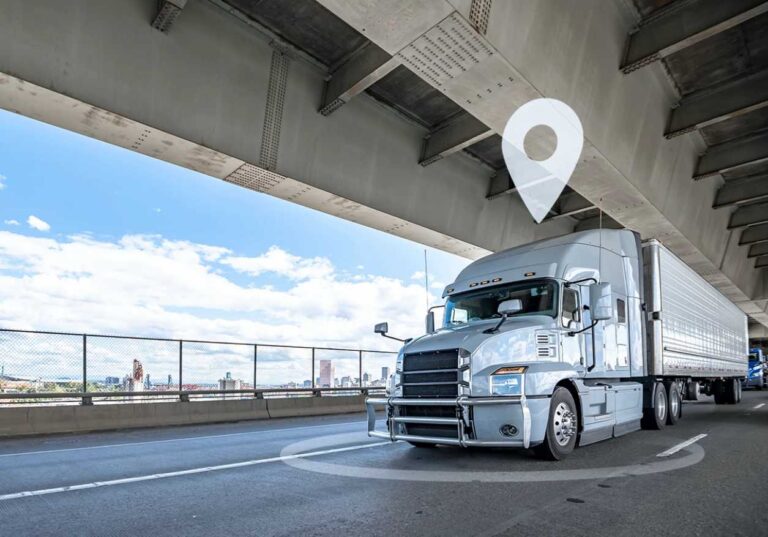
For haulage specifically, truck tracking pairs the location with fuel and route, so a load running Apapa to Kano stays accounted for the whole way.
Oil and gas operators have a stricter version of this. In-vehicle monitoring scores driver safety against HSE rules and formats the data into the audit templates the NMDPRA asks for.
If your contracts demand IVMS, ordinary tracking will not pass the audit.
Software and hardware, on one login
The hardware is the part you can touch: the tracker, the fuel sensor, the camera.
The software is where the fleet becomes manageable. A fleet management dashboard puts every vehicle, every fuel reading and every alert behind one login, with roles so your operations lead sees the routes and your accountant sees the fuel.
The mistake we see most is a business buying ten different devices from ten different sellers and ending up with ten apps that never talk to each other.
One stack. One screen. One team to call.
Choosing a fleet system without getting burned
Three questions separate a real provider from a man with a carton of devices.
Ask whether the SIMs are NCC-registered, because the cheap ones run on black-market SIMs that deactivate within weeks and take your fleet dark with them.
Ask where the install goes, and whether the units survive a driver who does not want to be watched.
And ask what happens when a unit stops reporting at 2am. A real provider has a support line and a recovery process, not a phone number that rings out.
Local matters here too. A system supported from Lagos, Abuja and Port Harcourt, with technicians who can reach the vehicle, beats a slick foreign dashboard with nobody on the ground when a sensor fails in Onitsha.
How fast it pays back
For most fleets the cost is recovered inside one to three months, and fuel does most of the work.
Stop the siphoning, cut the idle hours, kill the unauthorised trips, and the savings outrun the subscription quickly.
The businesses that hesitate are usually the ones still treating tracking as a cost. It reads better as the cheapest insurance you can buy against your own blind spots.


Frequently asked questions
What does fleet management cost in Nigeria?
Tracking starts around ₦100,000 per vehicle in year one with a renewal near ₦35,000, and fleets get volume pricing. Fuel monitoring is priced separately, from around ₦650,000 per vehicle in year one. The dashboard is part of the subscription.
What is the difference between fleet tracking and fleet management?
Tracking shows where a vehicle is. Fleet management is location, fuel, driver behaviour, idling, trips, maintenance and reports for every vehicle on one dashboard, so you run the fleet on data instead of phone calls.
Can it stop fuel theft?
Yes. A calibrated sensor reads the tank every few seconds and flags a drop that is not a refuel and not consumption, with the location and quantity. Fuel monitoring usually pays for itself in 60 to 90 days.
How fast does it pay for itself?
Most operators recover the cost within one to three months, mostly from fuel savings, fewer side trips and lower maintenance. The first month usually surfaces a leak the owner did not know about.
Do you cover fleets across Nigeria?
Yes. Install and support run from Lagos, Abuja and Port Harcourt, with coverage in Ibadan, Kano, Enugu, Benin and more, all on one dashboard.
The editorial team at Car Tracker Nigeria, drawing on two decades of vehicle tracking, recovery and fleet work across Nigeria to publish practical security guides.
The full Fleet & Telematics cluster.