
Fleet management in Nigeria: what it is, what it costs and where it saves
A small haulage business can lose more to quiet fuel theft in a month than it pays a manager. This guide covers how fleet management gives that visibility back, what it costs and how to choose.
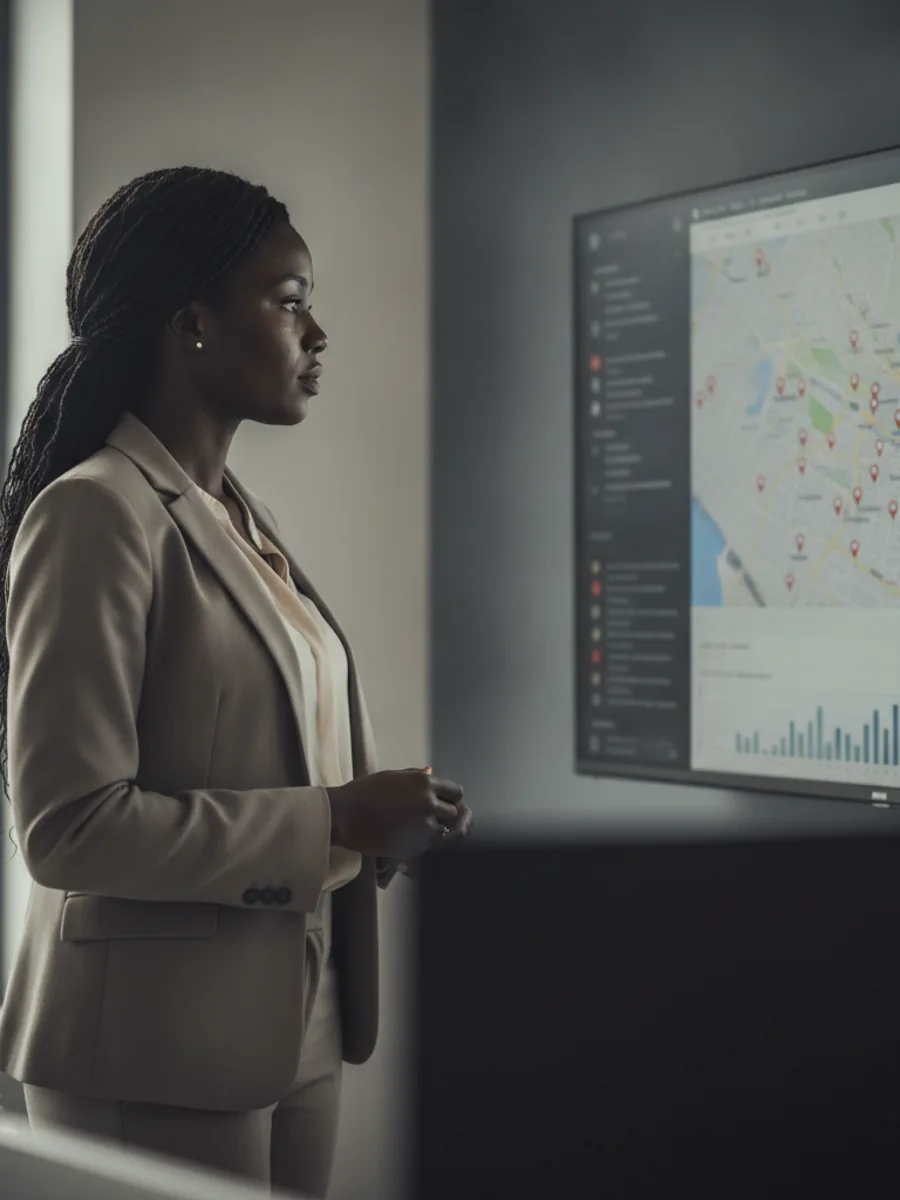
In short, fleet management puts a tracker on every vehicle and one dashboard over all of them, showing location, trip history, fuel, speed, idle time and driver behaviour. At Car Tracker Nigeria it is ₦150,000 per vehicle in year one, then ₦35,000 a year, with fuel monitoring from ₦650,000 per tank and IVMS at ₦350,000 per vehicle for oil and gas work.
Who this guide is for: owners and managers of truck, bus, van and company-car fleets, from a few vehicles to a full depot, including oil and gas contractors who need IVMS.
- Tracking shows where a vehicle is; fleet management shows fuel, drivers, idling and routes too
- CTN fleet management: ₦150,000 per vehicle, then ₦35,000 a year
- Fuel, idle time, side trips and missed services are where fleets lose money
- Oil and gas contracts usually need IVMS, not plain tracking
- Ask about registered SIMs, the fitting and what happens when a unit stops reporting
A four-truck haulage business in Apapa can lose more to quiet fuel theft in a month than it pays a manager.
The diesel goes. The runs take longer than they should. And nobody can say exactly where the money went.
Fleet management is how that visibility comes back. It is not a gadget to bolt on and forget. It is the line between guessing and knowing what the vehicles do overnight.
What fleet management actually is
Put a tracker on every vehicle and feed one dashboard that opens on a phone or laptop. Now the fleet is being managed instead of chased.
The dashboard shows live location, the full history of where each vehicle has been, fuel level, speed, idle time, and which driver did what.
The business stops running on phone calls and a manager’s word, and starts running on what the vehicles actually did.
People mix up two things here. Tracking says where a truck is. Fleet management covers the rest: the fuel, the driver, the idle hours, the route taken instead of the route given.
One is a dot on a map. The other is a way to run the operation.
What it costs in Nigeria
Pricing scales with the number of vehicles and what is added on top.
At CTN fleet management is ₦150,000 per vehicle in year one, including the tracker, the fitting and the dashboard, then ₦35,000 a vehicle each year.
The renewal is the running cost of the service: the data each tracker uses to report its position, the platform that shows the fleet and stores its history, and support when a unit acts up. The fleet tracking cost guide breaks the figures down further.
Then there are the add-ons that earn their place. Fuel monitoring sits on top of the tracker at ₦650,000 per tank in year one, then ₦80,000 a year, because it includes a calibrated tank sensor and a careful fitting.
The dashboard that ties it all together is part of the service, not a separate licence to fight over at renewal.
For example, a four-van fleet pays ₦600,000 in year one for trackers and the dashboard, then ₦140,000 a year. Adding fuel monitoring to two of the vans adds ₦1,300,000 in year one and ₦160,000 a year.
| Service | Year one | Each year after |
|---|---|---|
| Fleet management (tracker and dashboard) | ₦150,000 per vehicle | ₦35,000 per vehicle |
| Truck tracking | ₦200,000 per truck | ₦35,000 per truck |
| Fuel monitoring | ₦650,000 per tank | ₦80,000 per tank |
| IVMS (oil and gas) | ₦350,000 per vehicle | ₦45,000 per vehicle |
| Video telematics, fleet software | Quoted | Quoted |
Where a Nigerian fleet quietly loses money
Fuel is the big one.
A driver on the Lagos-Ibadan run learns that a GPS dot cannot see inside the tank, so 40 litres goes missing at a filling station and the books still balance on paper.
A calibrated sensor closes that gap. It tracks the tank level and flags a drop that is neither a refuel nor the engine burning fuel, with the spot on the map and the quantity.
After fuel comes idle time: the engine running for an hour outside a friend’s shop, burning fuel nobody logs.
Then the side trips, such as a two-hour detour to Ikorodu on a delivery that had nothing to do with Ikorodu. Then the maintenance found out the hard way, when a truck breaks down on Third Mainland Bridge because nobody watched the service interval.
Every one of these shows up on the dashboard before it shows up on the bank statement.
A fleet system does not create savings. It shows where the money was already going.
The features that earn their keep
Live tracking is the floor, not the ceiling.
The parts that move the numbers are fuel monitoring, driver behaviour scoring, geofencing that alerts when a vehicle leaves its zone, and reports that read easily on a Monday morning.
Video telematics adds a camera that records harsh braking and distraction, which matters when one accident can cost more than a year of service. It is quoted per fleet.
For haulage specifically, truck tracking (₦200,000 per truck, then ₦35,000) pairs live location with geofences, route history and mileage, and fuel monitoring adds the tank, so a load running Apapa to Kano stays accounted for the whole way.
Oil and gas operators have a stricter version of this. In-vehicle monitoring (IVMS) scores driver safety against HSE rules and formats the data into the reports oil and gas contracts ask for, at ₦350,000 per vehicle, then ₦45,000 a year.
Where a contract demands IVMS, ordinary tracking will not pass the audit.
Software and hardware, on one login
The hardware is the part that can be touched: the tracker, the fuel sensor, the camera.
The software is where the fleet becomes manageable. A fleet management dashboard puts every vehicle, every fuel reading and every alert behind one login, with roles so the operations lead sees the routes and the accountant sees the fuel.
A common mistake is buying ten different devices from ten different sellers and ending up with ten apps that never talk to each other.
One stack. One screen. One team to call.
Choosing a fleet system without getting burned
Three questions separate a real provider from a man with a carton of devices.
Ask whether the SIMs are NCC-registered, because cheap units often run on lines that get deactivated within weeks and take the fleet dark with them.
Ask where the fitting goes, and whether the units survive a driver who does not want to be watched.
And ask what happens when a unit stops reporting. A real provider has a support line and an office, not a phone number that rings out.
Local matters here too. A system supported from Lagos, Abuja and Port Harcourt, with technicians who can reach the vehicle, beats a slick foreign dashboard with nobody on the ground when a sensor fails in Onitsha.
How fast does it pay back?
It depends on how much was leaking. A fleet with heavy fuel loss, long idling or unapproved trips sees the change quickly; a tight fleet sees less. Either way, the businesses that hesitate are usually the ones still treating tracking as a cost rather than as the cheapest check on their own blind spots.
Free toolFleet tracking costNumber of vehicles in, year one and yearly cost out, with speed limiters, dashcams and fuel sensors.Price the fleet →Sources: Nigerian Communications Commission (NCC).
Written and reviewed by the Car Tracker Nigeria team
Car Tracker Nigeria, also known as CTN Telematics, has fitted hidden GPS trackers since 2009, from offices in Lagos, Abuja and Port Harcourt, and fits at the customer’s home or office across 16 Nigerian cities. CTN shares a stolen car’s live position with the Nigeria Police Force, which carries out the recovery. Every guide is checked against CTN’s own fitting and support experience, its published prices, and current NCC SIM-registration and Nigerian data protection rules.
Questions, answered.
What does fleet management cost in Nigeria?
At CTN it is ₦150,000 per vehicle in year one, including the tracker, the fitting and the dashboard, then ₦35,000 a vehicle each year. Fuel monitoring is ₦650,000 per tank, then ₦80,000 a year.
What is the difference between fleet tracking and fleet management?
Tracking shows where a vehicle is. Fleet management adds fuel, driver behaviour, idling, trips, maintenance and reports for every vehicle on one dashboard, so the fleet runs on data instead of phone calls.
Can fleet management stop fuel theft?
It makes it visible. A calibrated sensor flags a drop in the tank that is neither a refuel nor consumption, with the location and quantity, so the business can act on it.
How fast does fleet management pay for itself?
It depends on how much was leaking. Fleets with heavy fuel loss, long idling or unapproved trips see the change fastest.
Does CTN cover fleets across Nigeria?
Yes. Fitting and support run from offices in Lagos, Abuja and Port Harcourt, with coverage in 16 cities, all on one dashboard.
See more Car Tracker Nigeria guides in your Google results.
Add Car Tracker Nigeria as a preferred source and Google shows more of its guides in Top Stories when you search. It takes one click and can be changed any time.
Get a fleet quote built around the vehicles.
Send the number of vehicles and what is costing the most. The quote comes back per vehicle, in writing.