
Tank level monitoring, every litre on your phone.
Car Tracker Nigeria fits level sensors on diesel and storage tanks at sites, estates and plants. You see the level live, every delivery and every unexplained drop, without sending someone with a dipstick.
₦850,000per tank in year one, then ₦150,000 a year. ₦300,000 logistics outside Lagos.
- Live tank level
- Drop and overfill alerts
- Delivery records
- One dashboard, many sites
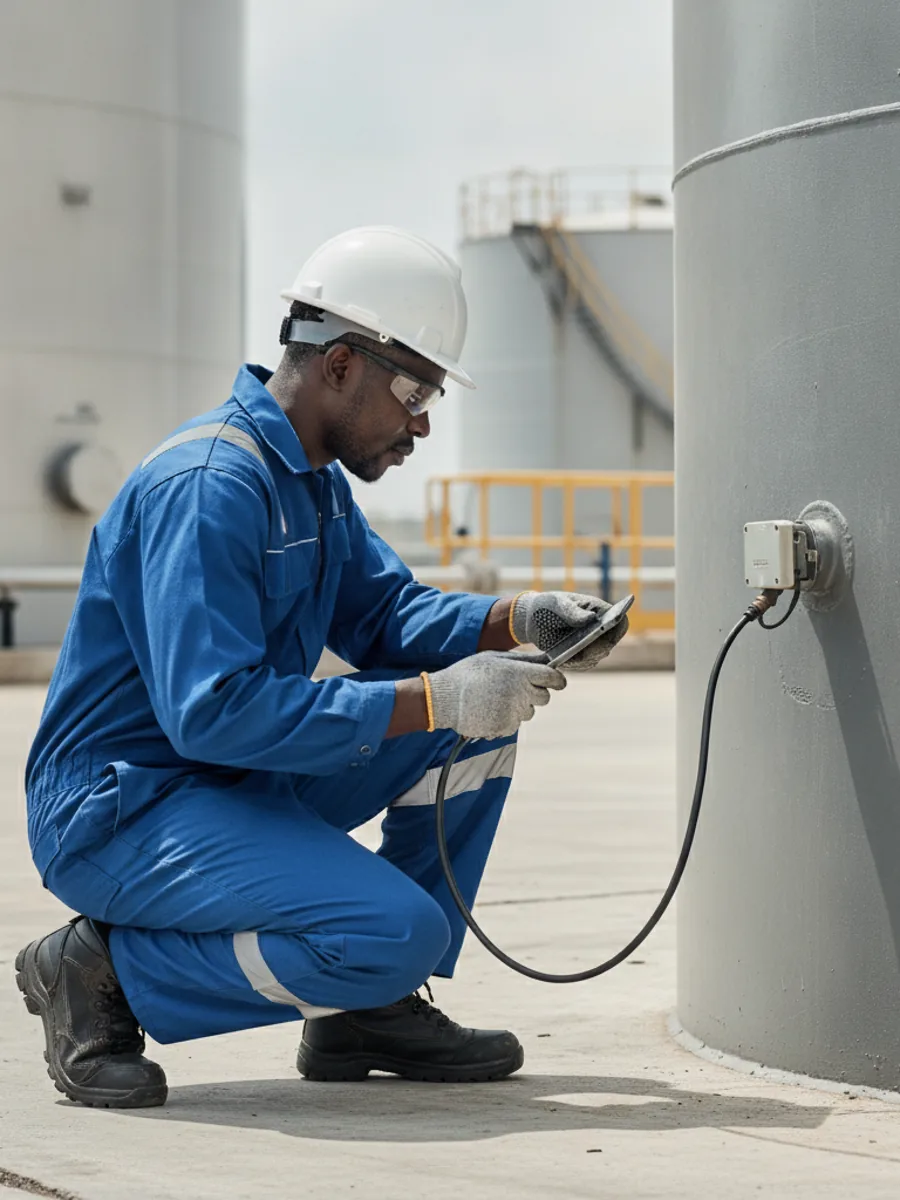
What it shows, what it costs.
Storage tank level monitoring puts a level sensor on each tank and sends the reading to a dashboard and your phone. You see the live level, every delivery, usage over time, and alerts for sudden drops, leaks and overfill. Car Tracker Nigeria charges ₦850,000 per tank in year one and ₦150,000 per tank a year after, with a ₦300,000 logistics fee for sites outside Lagos.
- Year one
- ₦850,000 per tank
- Renewal
- ₦150,000 per tank a year
- Outside Lagos
- ₦300,000 logistics fee
- Contents
- Diesel, fuel, oil, water
- Level
- Live, with history
- Alerts
- Sudden drop, leak, overfill
- Deliveries
- Logged as they land
- Platform
- Same as fleet tracking
One price per tank.
Year one covers the sensor, fitting, calibration and the dashboard. The renewal keeps the data and alerts running. Sites outside Lagos add a one-time logistics fee.
- Level sensor fitted and calibrated to the tank
- Live level and usage history
- Sudden-drop, leak and overfill alerts
- Delivery records for checking suppliers
- One dashboard across all your sites
Tank monitoring prices
Per tank.
- Year oneSensor, fitting, calibration, dashboard₦850,000
- Each year afterData, alerts, support₦150,000
- Sites outside LagosLogistics, one-time₦300,000
Monitoring several sites? Ask for a site quote.
From a tank list to live levels.
Each sensor is calibrated to its own tank.
- 1
Send the tanks
Number of tanks, contents, sizes and site locations.
On WhatsApp - 2
Survey and quote
Sensor type and position agreed for each tank.
Firm price - 3
Sensors fitted
Fitted and calibrated to the tank shape.
On site - 4
Levels live
Dashboard, phone alerts and delivery records running.
Day one
The tank, without the dipstick.
Most diesel loss shows up as a level that falls when nothing is running.
Live level
The current litres in each tank, any time.
Deliveries
Each delivery logged, to check against the supplier's invoice.
Sudden drops
An alert when the level falls with no reason.
Leak and overfill
Threshold alerts before a spill or a run-out.
Many sites
Every tank on one dashboard.
Fleet link
On the same platform as your fleet tracking.
Anyone storing diesel they cannot watch.
Estates and offices
Generator diesel tanks managed by a facility team.
Plants and sites
Construction, manufacturing and mining sites.
Fuel users with fleets
Depots that refuel their own trucks.
Questions, answered.
How much does tank level monitoring cost in Nigeria?
At Car Tracker Nigeria it costs ₦850,000 per tank in year one, covering the sensor, fitting, calibration and dashboard, then ₦150,000 per tank a year. Sites outside Lagos add a ₦300,000 logistics fee.
Can it show diesel theft?
It shows the level falling when no generator or pump should be using fuel, with the time it happened, so you can investigate.
Can I check a supplier delivery?
Yes. Each delivery is logged as the level rises, so you can compare it with the invoice.
What tanks can be monitored?
Diesel, fuel, oil and water tanks at sites, estates and plants. The sensor is chosen and calibrated for each tank.
Is this the same as vehicle fuel monitoring?
No. Fuel monitoring watches the tank on a vehicle. This watches fixed storage tanks.
See where the diesel goes.
Send the number of tanks and the sites. The team confirms the price and books a survey.