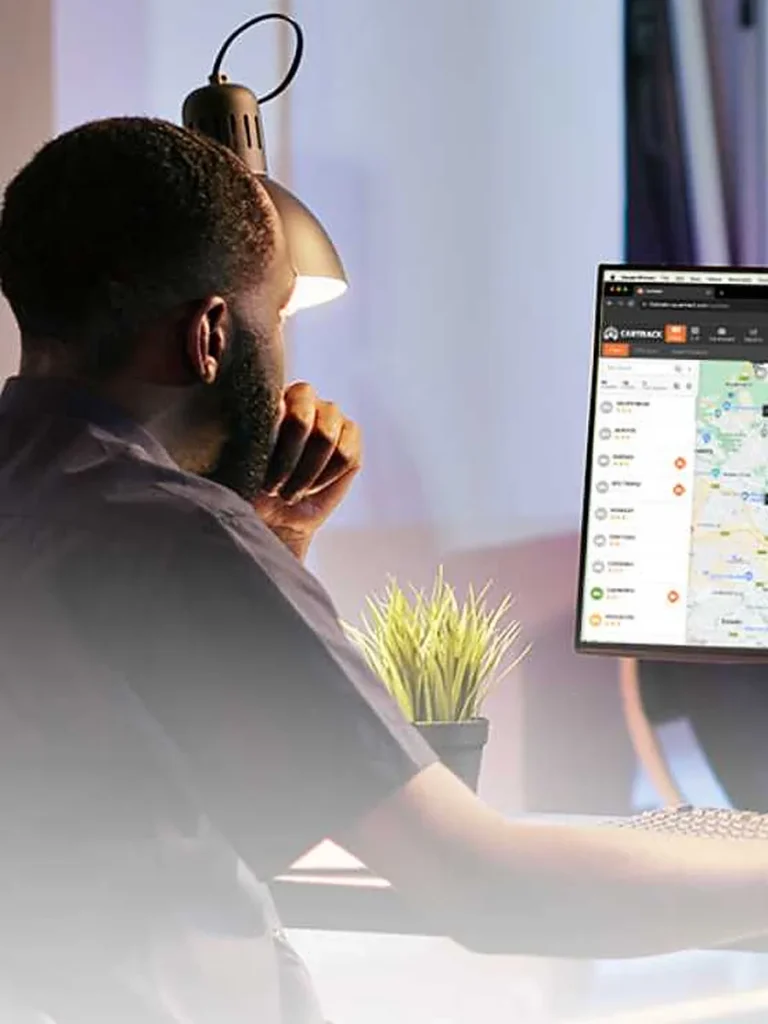
A dashcam protects one driver. Video telematics protects a whole business.
For a fleet, the question is not just what happened, but knowing it at the office, in time to act. That is the leap from a normal dashcam to video telematics.
Here is what it is and why fleets across Nigeria are adopting it.
What video telematics is
Think of it as a dashcam wired into your fleet platform.
It pairs vehicle cameras, facing the road and often the cab, with the telematics system already tracking the vehicle.
So instead of footage sitting on a card no one watches, video events flow to a central dashboard alongside the location and driving data, and many systems add AI that flags the risky moments automatically.
What it captures
It records the moments that cost fleets money.
Road-facing cameras capture collisions, near-misses and who was actually at fault.
In-cab cameras can flag fatigue, phone use and distraction.
Together they cover both what happened to the vehicle and what the driver was doing when it did. That is evidence you simply cannot get from the tracker alone.
Why fleets use it
The business case is direct.
Clear footage exonerates your driver when a false claim lands, which saves payouts and protects your insurance record.
It lets you coach the genuinely risky drivers instead of guessing, the same way driver-behaviour monitoring does, but with the video to back it.
And a visible camera deters both theft and the worst driving habits before they happen.
How it differs from a normal dashcam
The hardware looks similar. What happens to the footage is not.
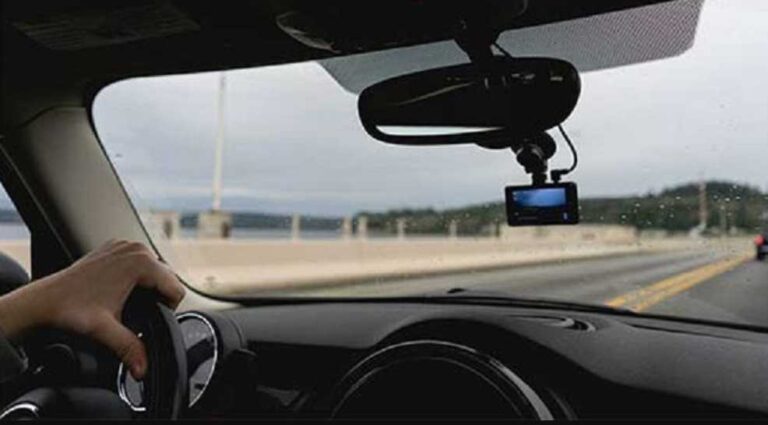
A normal dashcam records locally, and you only see the clip if you go looking for it after something goes wrong.
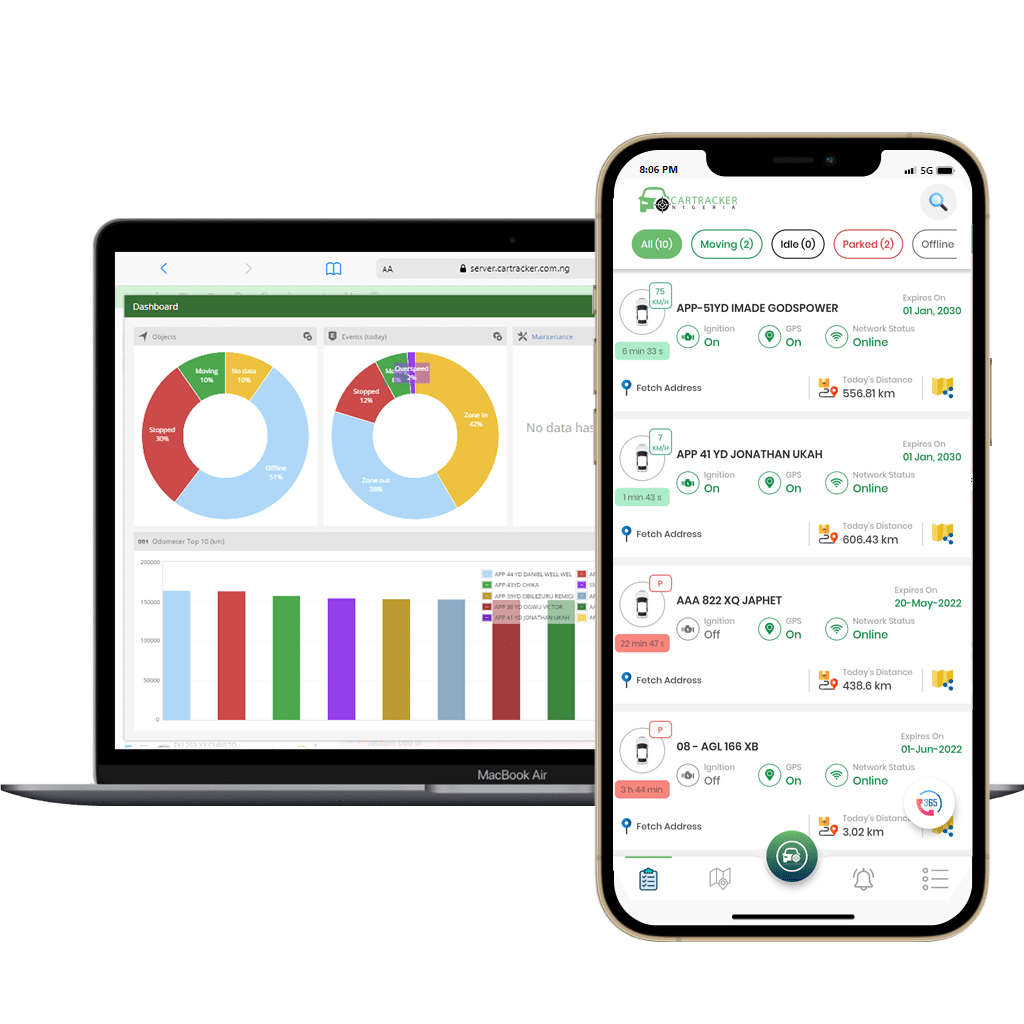
Video telematics is connected. It pushes events and clips to a central platform in near real time, ties them to the vehicle's location and driving data, and lets a manager review a whole fleet from one screen.
For a single private car, a standard dashcam is enough. For a fleet, the connected version is the one that scales.
Put eyes on your fleet
Connected cameras, driver scoring and footage that reaches your dashboard. Tell us your fleet and get a quote.
See our fleet managementWho needs it
If accidents, false claims or driver risk cost you real money, you need it.
Haulage, logistics, distribution and passenger fleets gain the most, because the stakes per incident are high and the drivers are out of sight all day.
It plugs straight into the same fleet management software you run everything else from.
Talk to us about adding video to your fleet, and if you are new to all this, start with our complete guide to fleet management in Nigeria.


Frequently asked questions
What is video telematics?
Video telematics combines vehicle cameras, road-facing and often in-cab, with a telematics platform, so footage and driving data reach a central fleet dashboard, frequently with AI alerts for risky events.
How is video telematics different from a normal dashcam?
A normal dashcam records locally to a card and you review it after the fact. Video telematics is connected: it sends events and clips to a central platform in near real time, with alerts and driver scoring across a whole fleet.
Why do fleets use video telematics?
To exonerate drivers in accident disputes, coach risky behaviour like speeding and harsh braking, deter theft, and reduce accident and insurance costs with hard evidence.
Does video telematics record inside the cab?
Many systems include an in-cab camera to monitor fatigue and distraction. Whether you use it, and how, is set by your own fleet policy.
The editorial team at Car Tracker Nigeria, drawing on two decades of vehicle tracking, recovery and fleet work across Nigeria to publish practical security guides.
Related guides.