Insurance is only as good as the claim you can actually get paid.
Plenty of valid claims stall, not because the cover was wrong, but because the claim was handled badly.
Report late, lose the evidence, skip the police report, and a payout that was yours slips away.
Here is how to do it right.
Report it fast
The clock starts the moment the incident happens.
Tell your insurer as soon as you safely can, because most policies require prompt notification and a long delay can be reason enough to reject the claim.
Do not wait until you have everything tidy. Report first, gather the detail after.
The fastest way to weaken a good claim is to sit on it. Report it before you do anything else.
Get the evidence right
A claim is won on evidence, so collect it carefully.
For an accident or theft, get a report from the Nigeria Police Force, which insurers nearly always require.
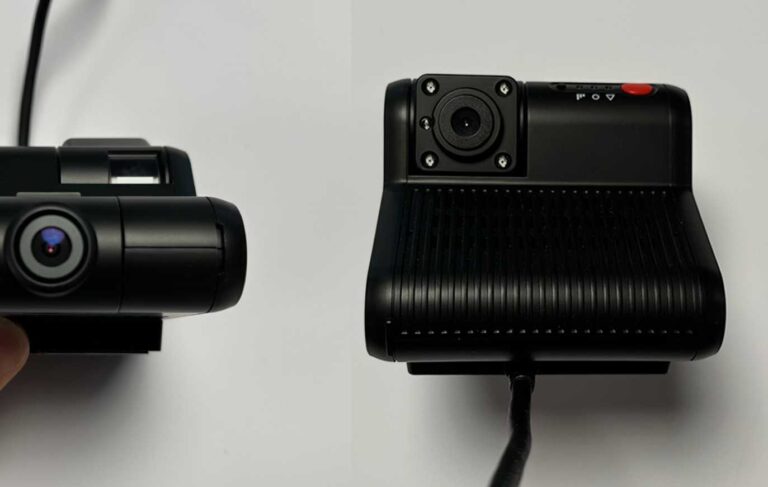
Take clear photos of the damage and the scene, keep your policy and vehicle papers to hand, and pull any dashcam footage.
Footage that shows you were not at fault can be the difference between a paid claim and a fight.
Cover that actually pays when you claim
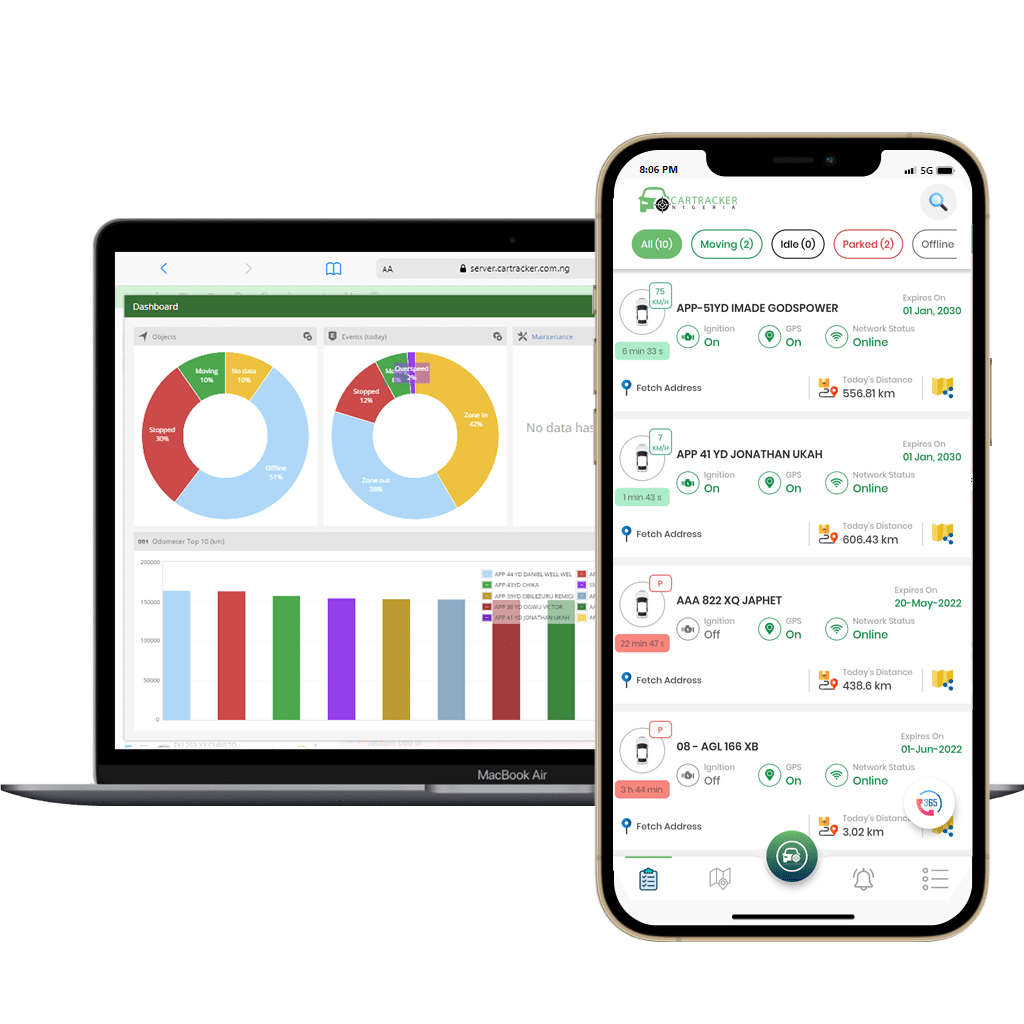
Tell us your vehicle and we will set you up with genuine comprehensive cover, a tracker for theft claims, and a dashcam for accident ones.
Get covered properlyThe claim process, step by step
Once reported, the process is orderly.
- Notify the insurer and get a claim reference.
- Obtain the police report for an accident or theft.
- Complete the insurer's claim form fully and honestly.
- Submit it with your photos, police report, policy and vehicle documents.
- Let the insurer's assessor inspect the vehicle or verify the loss.
- Receive the approved payout, less any excess.
This applies to a comprehensive policy, which is the cover that pays out on your own car.
Understand the excess
Do not be surprised by the excess.
It is the part of the claim you pay yourself before the insurer covers the rest, agreed when you took the policy.
So a claim does not put the full repair cost back in your hand, it puts the cost minus the excess.
Knowing your excess upfront means the payout matches what you expected.
If a claim is denied
A denial is not always the end.
Ask the insurer for the reason in writing and check it against your policy terms, because some denials rest on an exclusion you can dispute.
If you believe it is unfair, you can escalate a complaint to NAICOM, the regulator that handles disputes between policyholders and insurers.
And for a theft claim, a tracker that helped recover the car strengthens your position either way, as our recovery case studies show.
Still chasing the car itself? Pair this with our stolen car recovery playbook so the recovery and the claim move together.


Frequently asked questions
How do I make a car insurance claim in Nigeria?
Report the incident to your insurer as soon as possible, get a police report for an accident or theft, gather photos and any dashcam footage, complete the claim form, and submit it with your documents. The insurer assesses and, once approved, pays out less any excess.
What evidence do I need?
A police report for an accident or theft, clear photographs of the damage and scene, your policy and vehicle papers, and dashcam footage if you have it. Strong evidence speeds up the claim and protects you from being blamed unfairly.
What is an insurance excess?
The part of a claim you pay yourself before the insurer covers the rest. If your excess is a set amount, the insurer pays the claim value minus that amount. It is agreed when you take the policy.
What if my claim is denied?
Ask for the reason in writing and check it against your policy terms. If you believe the denial is unfair, you can escalate a complaint to NAICOM, the insurance regulator, which handles disputes between policyholders and insurers.

The editorial team at Car Tracker Nigeria, drawing on two decades of vehicle tracking, recovery and fleet work across Nigeria to publish practical security guides.
Related guides.