People talk about a car tracker as if one device fits everything. It does not.
The unit that protects a family Corolla is not the one a logistics firm bolts into a 40-foot truck.
And neither is right for a boat sitting at a jetty in Port Harcourt.
The type you need comes down to two things. What you are protecting, and what you are protecting it from.
Here are the main types in use across Nigeria, and how to tell which one is yours.
Basic GPS tracker
This is the workhorse. For most private cars it is all you need.
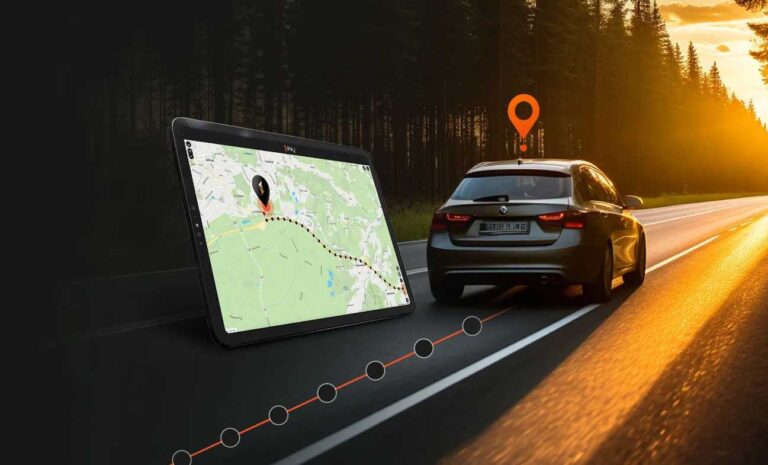
It sits hidden in the vehicle and reports its location every few seconds. You get live position, geofence alerts, and an engine cut-off you can trigger from your phone.
It is the tracker behind most recoveries of everyday saloons and small SUVs.
Drive a Corolla, a Camry or an Accent and want to know where it is and get it back if it walks? This tier does the job.
It starts at around ₦100,000 for the first year. The full numbers are in our car tracker price guide.
Premium hidden tracker
Step up to a Prado, a Land Cruiser or an executive saloon and the threat changes.
Thieves who go after these cars are not opportunists. They know to look for a tracker, and they carry the tools to find and kill a basic one.
A premium tracker answers that.
It goes deeper into the vehicle, in a spot only the installer knows. Stronger anti-tamper protection. A longer backup battery, so it keeps talking even after the main power is cut.
The hardware costs more because the car it protects is worth defending properly. For these vehicles the first year usually runs ₦250,000 and up.
The rule is simple: the harder your car is to steal and keep, the more tracker it deserves.
Not sure which tracker you need?
Tell us what you are protecting and we will match it to the right unit, with a firm price.
Get a recommendation on WhatsAppFleet and telematics trackers
Once you run more than a few vehicles, location alone stops being enough.
You want to know which driver is burning fuel. Who is speeding on the Lagos-Ibadan Expressway. Which truck is idling for an hour at a depot.
And you want all of it on one screen, not ten phone apps.
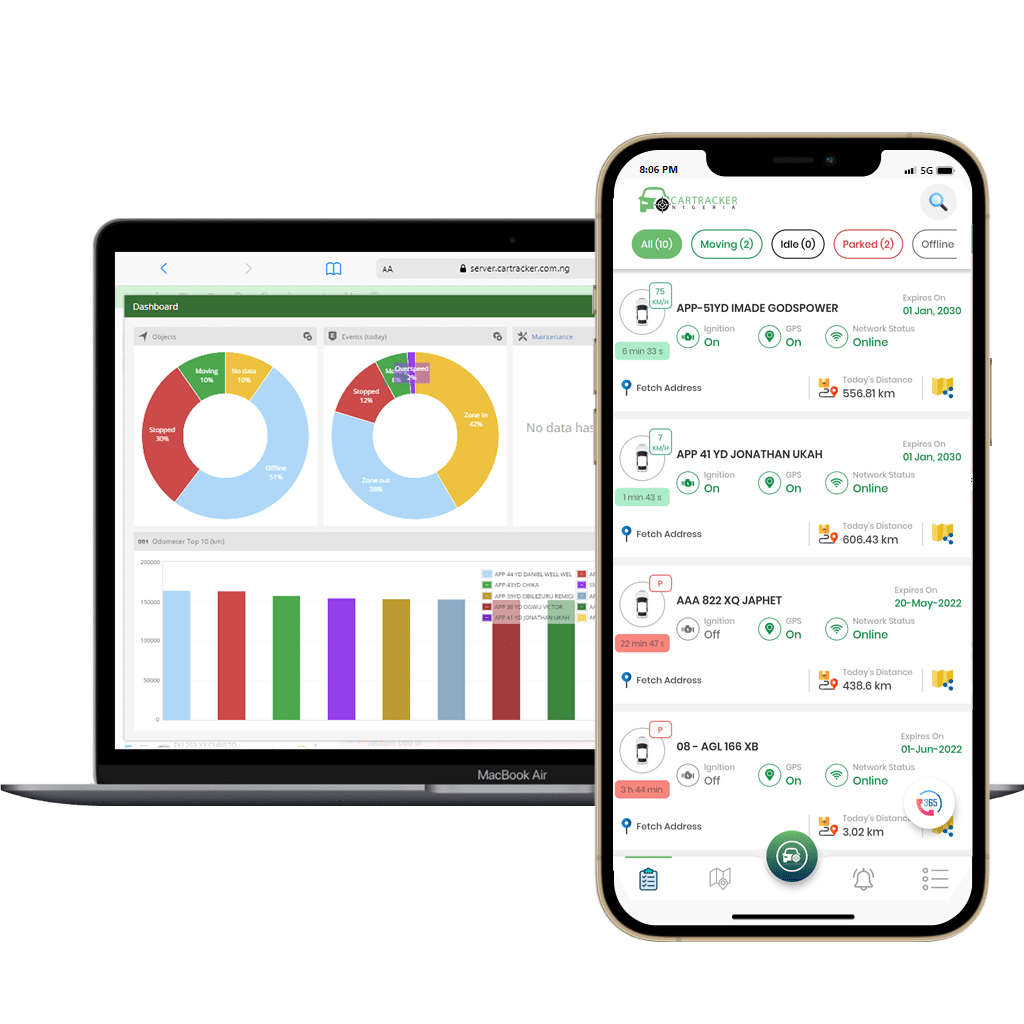
That is what a fleet tracker adds on top of the basics: fuel monitoring, driver-behaviour scoring, route history, and a dashboard built for a yard rather than a single car.
Run trucks, buses or a delivery fleet? Start with our fleet management and truck tracking pages, and look at fuel monitoring if diesel is your biggest line item.
Specialty trackers for bikes, boats, EVs and people
Plenty of valuable things move that are not cars.
A dispatch business losing motorcycles needs a small, well-hidden unit built for two wheels. That is what bike tracking covers.
A boat or barge on the water has its own demands, handled by boat tracking.
Electric vehicles bring a new wrinkle, where you care about charge and location together. We built EV tracking for exactly that.
There are even trackers made for people rather than vehicles, for lone workers and field staff, in our body-worn GPS tracker range.
Same idea each time, shaped to a different asset.
2G or 4G: the question under all of these
Whatever type you land on, ask one more thing before you pay. Is it 2G or 4G.
The 2G networks that older trackers rely on are being switched off, and the NCC has set the country on a path to retire them.
A 2G unit in a weak-signal area updates slowly and patchily. A 4G tracker reports faster, holds signal better where coverage drops, and will still be working when the old networks are gone.
It is the difference between a map that refreshes the moment your car moves and one that catches up three streets too late.
We go deeper on this in the 2G vs 4G guide. Either way, confirm the unit is 4G.
How to match the tracker to your vehicle
Strip it all down and the choice is short.
One ordinary car: a basic hidden tracker and a real recovery promise.
A high-value car: the premium unit that fights back when a thief goes hunting for it.
A business with several vehicles: go fleet, so you see fuel and driver behaviour, not just dots.
Something other than a car: pick the specialty unit built for it.
The expensive mistake runs both ways. Buying a fleet system for one Camry. Or trusting a ₦25,000 toy with a truck worth millions.


Frequently asked questions
What types of car trackers are available in Nigeria?
Basic GPS trackers for private cars, premium hidden trackers for high-value vehicles, fleet telematics trackers with fuel and driver-behaviour features, and specialty trackers for motorcycles, boats, EVs and people.
Which tracker is best for a high-value vehicle?
A premium hidden tracker. It is buried deeper, has stronger anti-tamper protection and a longer backup battery, so it keeps reporting even after a thief tries to disable it.
What is the difference between a basic and a fleet tracker?
A basic tracker reports location and supports recovery for one car. A fleet tracker adds fuel monitoring, driver-behaviour scoring, route history and one dashboard for many vehicles.
Should I buy a 2G or 4G tracker?
4G. The 2G networks are being phased out, and 4G gives faster updates and better coverage where signal is weak. Confirm the unit is 4G before buying.
The editorial team at Car Tracker Nigeria, drawing on two decades of vehicle tracking, recovery and fleet work across Nigeria to publish practical security guides.
Related guides.