
A driver with ten years on the road is not the same as a safe one.
Experience teaches confidence, and confidence hides bad habits until they cause a crash.
Defensive training is how you turn a confident driver into a careful one.
Here is what it teaches and why it pays back fast.
Experience is not the same as safe
This is the trap with hiring on years alone.
A long-serving driver has seen a lot, but they have also picked up shortcuts, a heavy right foot, late braking, the habit of pushing a gap.
Those are exactly the behaviours behind the crashes the FRSC records.
Experience without correction often means well-practised risk.
What defensive driving teaches
Defensive driving is about avoiding danger, not just reacting to it.
A driver learns to read hazards early, keep safe following distances, control speed into bends, and stay calm in the chaos of a Lagos junction or a wet expressway.
It replaces reflex with judgement.
A good defensive driver does not survive the near-miss. They never get into it.
Make your drivers safer and cheaper to run
Tell us how many drivers you have and what they drive. We will run defensive training that cuts your accidents and fuel.
Book driver trainingThe fleet maths
For a business, training is not a soft cost. It is a saving.
Fewer accidents mean lower repair bills, less downtime and fewer insurance claims. Smoother driving cuts fuel and wear on tyres, brakes and the engine.
Preventing even a couple of incidents usually pays for the whole programme, the kind of road harm the World Health Organization shows is largely preventable.
Our driver training is built around that return.
It pairs with monitoring
Training sets the standard. Monitoring keeps it.
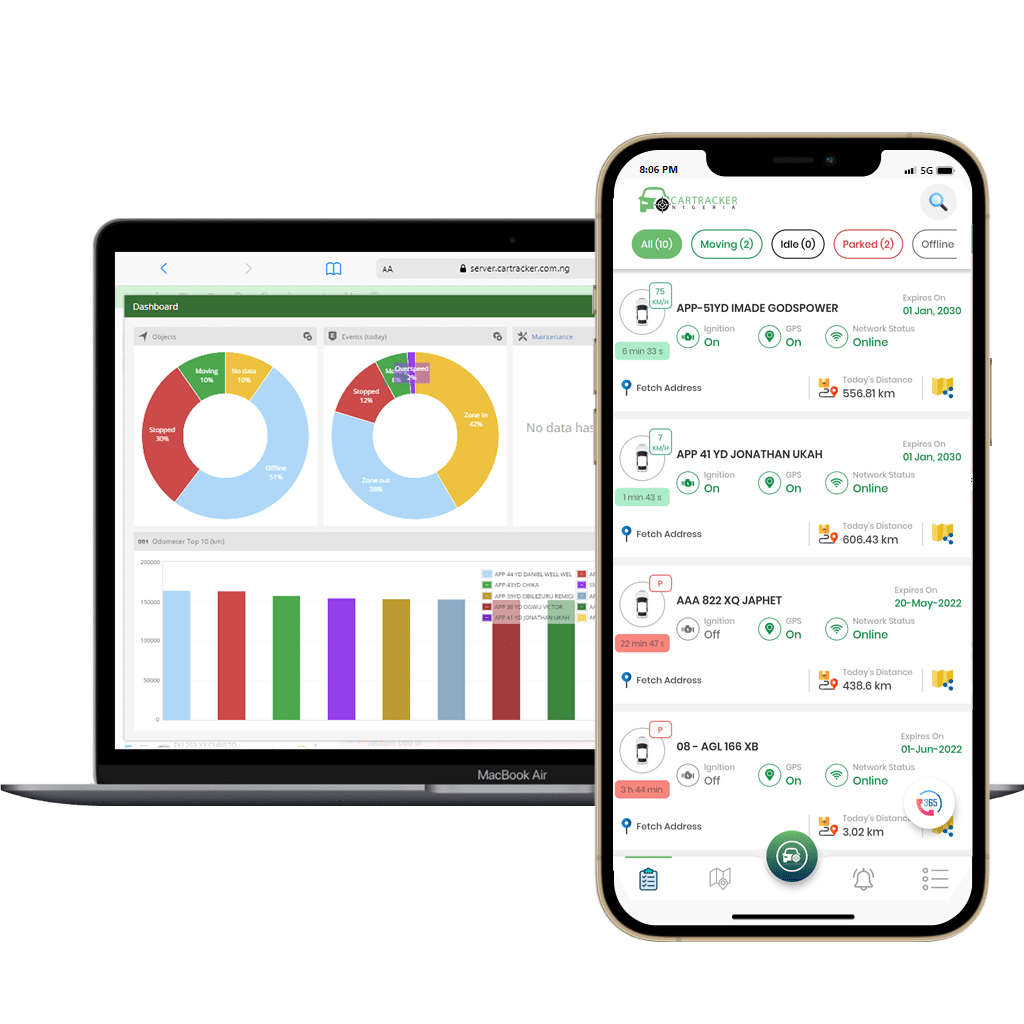
After the course, driver behaviour monitoring scores the habits in real driving, so the lessons stick and any slipping is caught early.
You can coach a driver against their own numbers instead of guessing.
Train, then verify on the road, the loop set out in the hiring and vetting guide.
Who needs it
More people than think they do.
Company and fleet drivers, anyone hiring a driver for family or executive duties, and individuals who simply want to be safer.
For a brand-new driver, the foundation comes first at a proper driving school, then defensive training sharpens it.
New or seasoned, everyone drives better after it.


Frequently asked questions
What is defensive driver training?
It teaches a driver to anticipate and avoid danger rather than just react: reading hazards early, keeping safe distances, controlling speed, and handling Nigerian road conditions calmly. It builds habits that prevent crashes before they happen.
Is it worth it for experienced drivers?
Yes. Years behind the wheel build experience but also bad habits. Defensive training corrects those habits and refreshes safe practice, so even seasoned drivers come out driving more safely and economically.
Does it save a fleet money?
It does. Fewer accidents mean lower repair bills, less downtime and fewer claims, and smoother driving cuts fuel and wear. Preventing even a few incidents usually outweighs the training cost.
Who needs it?
Company and fleet drivers, anyone hiring a driver for family or executive duties, and individuals who want to be safer. It suits both new drivers building good habits and experienced ones unlearning risky ones.

The editorial team at Car Tracker Nigeria, drawing on two decades of vehicle tracking, recovery and fleet work across Nigeria to publish practical security guides.
Related guides.